
All bile acids articles
-
 News
Gut microbiome activity linked to exceptional longevity may support healthier aging
Researchers have identified changes in the metabolic activity of the gut microbiome associated with exceptional longevity in humans and found that amplifying the same activity with engineered bacteria improved metabolic health in aged mice. The study suggests that some changes in the gut microbiome that occur with aging may be protective adaptations rather than signs of decline.
-
 News
Gut microbes may steer where fat accumulates—through an ancient signaling hub
Fat tissue grows in two ways: existing fat cells swell, or progenitor cells spawn new fat cells. When new-cell formation falls behind long-term energy surplus, lipids pile up inside aging fat cells. A review argues that Wnt signaling sits at the junction where gut microbial metabolites may decide which way fat tissue goes.
-
 News
Short-chain fatty acids and bile acids signaling in chronic hepatitis B
Current therapies suppress chronic hepatitis but rarely achieve functional cure (sustained HBsAg loss). Emerging gut‑liver axis evidence shows that microbial metabolites modulate HBV replication and immunity.
-
 News
Novel pathway suggests gut microbiome could be harnessed to lower blood pressure
The gut microbiome could potentially be harnessed to help lower blood pressure, according to a new study that identifies a previously unknown gut microbiota-bile acid signaling pathway targeting hypertension.
-
 News
Red meat may worsen IBD — here’s what could help
New research sheds light on why red meat may worsen inflammatory bowel disease (IBD). Researchers found that mice fed a beef-based diet developed the most severe intestinal inflammation, but those consuming pea protein showed only mild symptoms.
-
 News
Gut microbes help convert low-protein diets into fat-burning metabolic state
Researchers identify specific bacterial strains that trigger the formation of energy-burning “beige” fat in response to dietary protein restriction.
-
 News
Study reveals promising gut-targeted therapy for C. difficile infections
Researchers have uncovered how the body’s bile acids bind to block C. diff’s most dangerous toxin. The research has informed the development of a new compound that can protect against C. diff in preclinical models, offering hope for safer, more effective treatments.
-
 News
Groundbreaking review reveals how gut microbiota influences sleep disorders through the brain-gut axis
A comprehensive review illuminates the intricate connections between gut microbiota and sleep regulation, establishing the microbiota-gut-brain axis as a critical pathway in understanding and potentially treating sleep disorders.
-
 News
Gut microbes release cancer-fighting bile acids that block hormone signals
Bacteria naturally present in the human intestine can transform cholesterol-derived bile acids into powerful metabolites that strengthen anti-cancer immunity by blocking androgen signaling, according to a preclinical study.
-
 News
The gut microbiota-metabolites-brain axis mediates social behavior dysfunction following anaesthesia
New research shows that the anaesthetic Sevoflurane (Sev) influences social functioning via the gut-brain axis, with microbiota-derived bile acids serving as critical mediators in this pathway.
-
 News
Study reveals direct gut-brain communication via vagus nerve
A new study in an animal model provides direct evidence for the role of the vagus nerve in gut microbiome-brain communication, addressing a critical gap in the field.
-
 News
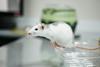
Gut bacteria in a chemical tug-of-war with the body
Researchers have identified a clever trick the body uses to keep gut microbial influence on the metabolism in check. In the intestines, the body modifies the microbial bile acids into a new family of derivatives, called BA-MCYs, using an enzyme named VNN1.
-
 News
Study uncovers new pathway controlling levels of body fat and cholesterol
Beneficial gut microbes and the body work together to fine-tune fat metabolism and cholesterol levels, according to a new preclinical study.
-
 News
Researchers find previously unknown links between microbial bile acids and the risk of colon cancer
Microbes living in our guts help us digest food by reshaping the bile acids that our livers produce for breaking down fats. It turns out that two of these microbially-modified bile acids may affect our risk — in opposite directions — for developing colon cancer. Source: Photo by ...
-
 News
Finding a preventative solution to a billion-dollar poultry problem
A poultry science researcher is evaluating a new possible solution to losses due to necrotic enteritis, using a novel vaccine combined with a bile acid regimen.
-
 News
‘Molecular Rosetta Stone’ reveals how our microbiome talks to us
Researchers have uncovered thousands of previously unknown bile acids, a type of molecule used by our gut microbiome to communicate with the rest of the body.
-
 News
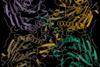
Researchers team up to publish bile acid breakthrough
Scientists have uncovered a previously unknown way that the microbes living in our gut help to make bile acids.
-
 News
High-fat diets alter gut bacteria, boosting colorectal cancer risk in mice
Scientists have pinpointed specific microbes and bile acids that become more prevalent in the guts of mice fed high-fat diets.
-
 News
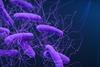
Cocktail of bile salt hydrolases can stop C diff in its tracks
Researchers have found that bile salt hydrolases (BSHs) can restrict Clostridioides difficile (C. diff.) colonization by both altering existing bile acids and by creating a new class of bile acids within the gut’s microbial environment.