
All German Center for Infection Research articles
-
 News
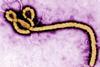
NewsFaster diagnostics, deeper insights: Researchers strengthen response to Ebola outbreaks
Two studies provide important insights into the challenges of responding to outbreaks - one demonstrates how diagnostic tests can be evaluated rapidly during an outbreak; the other investigates the biological properties of the 2026 BDBV strain and whether an existing Ebola vaccine could offer cross-protection.
-
 News
NewsFrom urinary tract infection to brain abscess: How bacterial subpopulations can spread to distant body sites
Researchers present a remarkable clinical case that provides new insights into the evolution of bacterial pathogens and presents the concept of heterovirulence, i.e., the simultaneous presence of subpopulations with different levels of virulence within a single infection.
-
 News
NewsCOVID-19 vaccines remain effective despite helminth-induced immune modulation
In a preclinical study, researchers have found that mRNA- and protein-based SARS-CoV-2 vaccines effectively protected Schistosoma-infected mice against the virus, despite the mice’s distinct immune response profiles.
-
 News
NewsLong-term cure rates for multidrug-resistant tuberculosis much better than expected
A new national cohort study from Latvia provides important insights into the treatment of multidrug-resistant tuberculosis (MDR-TB). The study shows that long-term disease-free survival rates are significantly higher than previous standard indicators suggest.
-
 News
NewsTechnology transfer for Corallopyronin A successfully completed with Phyton Biotech
Phyton Biotech has successfully transferred the manufacturing process for the microbial production of Corallopyronin A (CorA). CorA is a novel anti-infective agent with the potential to address neglected tropical diseases.
-
 News
NewsEthris and German Center for Infection Research (DZIF) announce strategic collaboration to develop mRNA-based vaccines
Ethris GmbH, a clinical-stage biotechnology company pioneering next-generation RNA therapeutics and vaccines, and the German Center for Infection Research (DZIF), have announced a strategic research collaboration to develop mRNA-based vaccines for the prevention and treatment of infectious diseases.
-
 News
NewsPreparedness for future pandemics: MERS vaccine candidate shows long-lasting immune response
A new study has shown for the first time that an experimental vaccine against Middle East Respiratory Syndrome (MERS) induces a stable and functional immune response in humans that persists for at least two years after a booster vaccination.
-
 News
NewsBlood-based immunological signatures for extrapulmonary tuberculosis decoded
Scientists have deciphered the immunological properties of extrapulmonary tuberculosis (EPTB) in the blood of affected patients. The results may help to develop new targeted treatments and tests for this important disease.
-
 News
NewsRare virus transmitted by rats infects woman in Germany—link to private pet rat breeding facility
The Seoul virus, which has been rarely detected in Germany to date and can be transmitted by rats, caused a woman to become seriously ill. Given that rats are becoming increasingly popular as pets, health experts view this as a warning sign.
-
 News
NewsHow HIV enters the genome – researchers identify previously unknown mechanism
Researchers have decoded a previously unknown mechanism by which HIV-1 selects its integration targets in the human genome. A research team identified RNA:DNA hybrids (R-loops) as molecular signposts for the virus.
-
 News
NewsFrom Miami to Berlin: stowaway rat delivers valuable pathogen lessons
in 2017, a Miami–Berlin flight took an unexpected turn when passengers spotted a rat on board. The incident underscored how easily pathogens can spread across continents—and why standardized testing of animal stowaways is so important.
-
 News
NewsFighting infections with the power of the microbiome
Scientists have discovered that bacteria of the species Klebsiella oxytoca can displace pathogenic bacteria from the gut and want to develop a living biotherapeutic based on this finding. The DZIF is now providing 2.2 million euros in funding for product development.
-
 News
NewsTherapeutic vaccine for chronic hepatitis B enters first clinical trial in patients
TherVacB, a novel therapeutic vaccine for chronic hepatitis B, has entered its first clinical trial in patients. A successful phase 1a trial in healthy volunteers saw the vaccine demonstrate a favorable safety profile and trigger the desired immune responses.
-
 News
NewsClinical trials reveal promising alternatives to high-toxicity tuberculosis drug
Research shows two novel antibiotics could spare patients from severe side effects. The drugs sutezolid and delpazolid have demonstrated strong antimicrobial activity and a notably better safety profile compared to linezolid.
-
 News
NewsComputer-identified antiviral drug candidates confirmed by lab experiments
An interdisciplinary research team has identified two antiviral drug candidates effective against a wide range of viruses. The study demonstrates how combining computer-aided modeling with laboratory validation can speed up the development of new antiviral drugs.
-
 News
NewsNew study reveals bats are key players in cross-species spread of morbilliviruses
Researchers studying the spread of morbilliviruses in bats and monkeys in Brazil and Costa Rica have discovered new virus species and host switches from bats to other mammalian species.
-
 News
NewsEliminating worm infections as a key strategy for HIV/AIDS prevention
Scientists who found that infection with the worm Wuchereria bancrofti increases the risk of contracting HIV have now confirmed, as part of a national program in Tanzania, that containment of this worm infection leads to a reduction in new HIV infections.
-
 News
NewsNew agent inhibits Staphylococcus aureus toxin – hope for pneumonia patients
Researchers have developed a miniaturized test system that allowed them to screen over 180,000 compounds for their ability to block the effect of the key virulence factor α-hemolysin in S aureus. Drug candidates from the quinoxalinedione class, in particular the compound H052, proved to be highly effective, both in cell culture and in animal models.
-
 News
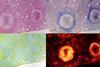
NewsNovel antibiotic BTZ-043 also reaches tuberculosis bacteria hiding in dead lung tissue
Researchers have shown that the novel antibiotic BTZ-043 effectively penetrates tubercolous lesions and accumulates there in high concentrations. Consequently, the drug can fight Mtb bacteria even in hard-to-reach areas.
-
 News
NewsNew study sheds light on the causes of fevers of unknown origin in sub-Saharan Africa
By conducting a retrospective observational study, the causes of fevers of unknown origin (FUO) in sub-Saharan Africa were investigated using conventional diagnostic methods, highlighting the appropriate needs of point-of-care testing in the regions.