
All norovirus articles
-
 News
NewsMachine learning turns routine water quality data into early warnings for pathogen health risks
Researchers have developed a data-driven framework that uses routinely measured water quality indicators to predict pathogen concentrations and estimate their potential health risks.
-
 Opinion
Why cruise ships remain vulnerable to viral outbreaks - and how new technologies could help
A dream holiday can quickly become a public health challenge when thousands of people share the same dining rooms, elevators and living spaces. Recent viral outbreaks on cruise ships have shown just how vulnerable these floating cities remain to infectious diseases.
-
 News
NewsCommon illnesses, not hantavirus, pose greatest cruise and travel risk
Travelers booked on cruises this summer, or considering booking, shouldn’t change their plans out of fear of hantavirus, one researcher says. They should be aware of more common viral illnesses that occur in cruise settings such as norovirus, seasonal respiratory viruses, COVID-19 and influenza.
-
 News
NewsSweeping up dust to detect emerging viruses
Gathering dust from buildings may hold promise as a more efficient way to track viral outbreaks in indoor settings, according to a new study. After collecting nearly 30 vacuumed dust samples from different buildings, researchers simultaneously identified the presence of 54 distinct viruses.
-
 News
NewsTrace levels of food pathogen do not always translate to health risk, says study
Ultra-sensitive food safety tests may drive food waste and unavailability with limited public health benefit, according to a study. These food safety measures and ultra-sensitive tests may drive edible food being thrown away, excessive packaging, and extra costs for consumers.
-
 News
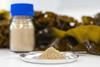
NewsSeaweed has the potential to create a shield to block norovirus infection
Seaweed has certain properties which have the ability to create a shield within the human body, effectively blocking norovirus infection. Fucoidan, from brown seaweed, showed the strongest and most consistent blocking activity against two major norovirus strains, GII.4 and GII.17.
-
 News
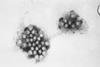
NewsBreakthrough in human norovirus research: Researchers overcome major obstacle to grow and study the virus
Researchers have overcome a major obstacle that limited their ability to continuously grow human norovirus. They identified factors that restrict viral replication and developed a way to overcome them to optimize long-term viral cultivation.
-
 News
NewsNew method to accelerate vaccine and drug development for norovirus
Researchers have developed a simple and efficient system for understanding the functions of specific norovirus genes, providing new avenues for developing antivirals and vaccines.
-
 News
NewsProtection against winter vomiting bug spread with arrival of agriculture
Norovirus clears up after a couple of days, but the protection it provides is short-lived, meaning that the same person can fall repeatedly sick in a short space of time. But some people cannot succumb to the virus, thanks to a particular gene variant whose historical spread has now been traced.
-
 News
NewsResearch identifies key antibodies for development of broadly protective norovirus vaccine
A new study identifies powerful antibodies capable of neutralizing a wide range of norovirus strains. The finding could lead to the design of broadly effective norovirus vaccine, as well as the development of new therapeutic antibodies.
-
 News
NewsCleaning surfaces every two hours cuts norovirus infections by 83% in airports
At airports, frequently disinfecting surfaces, mask-wearing and antimicrobial surface coatings can all help prevent the spread of norovirus, according to a new study.
-
 News
NewsPathogens that cling to microplastics may survive wastewater treatment
Wastewater treatment fails to kill several human pathogens when they hide out on microplastics in the water, reports a new study.
-
 Features
Tackling Norovirus with an improved disinfection system
Norovirus, also known in popular media as the ‘winter vomiting bug’ or ‘two-bucket winter bug’, is a highly infectious non-enveloped RNA virus that is a major cause of acute and chronic gastroenteritis.
-
 News
NewsHydrometeorology and location affect hospitalizations for waterborne infectious diseases in the US
An analysis of 12 years of data collected from over 500 hospitals in 25 different states shows that weather, geographic location, and urban or rural location all appear to influence hospitalizations for waterborne infectious diseases.
-
 News
NewsNext epidemic could be spotted early in wastewater, say scientists
Researchers analysing wastewater say that routine monitoring at sewage treatment works could provide a powerful early warning system for the next flu or norovirus epidemic, alerting hospitals to prepare and providing public health agencies with vital health information.
-
 News
NewsNorovirus may be linked to higher risk of developing Crohn’s Disease
A new study links Crohn’s disease to the common norovirus, a group of viruses that can cause gastroenteritis, an inflammation of the stomach and intestines.