
All obesity articles
-
 News
NewsObesity drug significantly reduces the risk of infections and serious cardiovascular events
Tirzepatide, marketed under the brand name Mounjaro, could reduce the risk of heart attacks and hospitalizations due to infections in people with type 2 diabetes by by about one-third when compared with a conventional diabetes medication.
-
 News
NewsMaternal weight may influence microbiota signalling in amniotic fluid
New research investigates how maternal factors during pregnancy affect small particles produced by the body’s microbiota, giving insights into a new way to monitor maternal and fetal health during pregnancy.
-
 News
NewsGut microbiota plays a role in metabolic health after bariatric surgery
Changes in gut microbiota after bariatric surgery are strongly linked to altered metabolic health and sustained improvement in type 2 diabetes. A study shows changes in gut bacterial composition and function are associated with metabolic improvements, including insulin release and blood sugar control.
-
 News
NewsResearchers uncover how obesity impairs vaccine response
New findings reveal that obesity significantly impaired the quality and longevity of antibody responses to a Pseudomonas aeruginosa vaccine in a mouse model. The impaired antibody production was due to defects in germinal centers.
-
 News
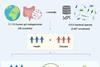
News‘Hidden’ bugs in our gut appear key to good health, finds global study
A single group of bacteria has repeatedly shown up in high numbers in the gut microbiomes of healthy people. Scientists found the level of CAG-170 bacteria present was consistently higher in healthy people than those with diseases including inflammatory bowel disease, obesity and chronic fatigue syndrome.
-
 News
NewsObesity linked to one in 10 infection deaths globally
Just over one in 10 deaths from a wide range of infectious diseases can be attributed to obesity worldwide, finds a major new study. People with obesity face a 70% higher risk of hospitalisation or death from an infection than those of a healthy weight.
-
 Features
Gut microbiome and obesity: what we know - and what we don’t
Dysbiosis is defined as an imbalance in the composition and function of the gut microbiota. This imbalance can lead to dysregulated interactions within the bacterial community and between microbes and the host, and it can be associated with disease states. However, discussions of dysbiosis often rely on simplified dichotomies, such ...
-
 News
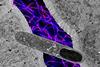
NewsThe gut bacteria that put the brakes on weight gain in mice
Research has identified a specific type of gut bacteria, called Turicibacter, that improves metabolic health and reduces weight gain in mice on a high-fat diet. People with obesity tend to have less Turicibacter, suggesting that the microbe may promote healthy weight in humans as well.
-
 News
NewsMetabolites produced in the intestine play a central role in controlling obesity and diabetes
A study has identified a group of metabolites that travel from the intestine to the liver and then to the heart, where they are pumped throughout the body. These metabolites play an important role in controlling metabolic pathways in the liver and insulin sensitivity.
-
 News
NewsGut microbiome connects obesity to cancer, impacting public health
A new review highlights growing scientific evidence that imbalances in gut bacteria can influence metabolism, trigger inflammation, and increase cancer risk. These insights offer new possibilities for disease prevention, early detection, and personalized health care.
-
 News
NewsFood additives in pregnancy: effects on offspring microbiota increase susceptibility to inflammatory diseases
A study conducted in mice reveals that maternal consumption of dietary emulsifiers can have a negative impact on the gut microbiota of their offspring and may increase their risk of developing chronic inflammatory gut disorders and obesity in adulthood.
-
 News
NewsStudy finds significant health benefits from gut microbes transfer
A cohort of overweight teens who received fecal transfer eight years ago were found to have reduced risk for a series of metabolic changes which can lead to heart disease, stroke and diabetes, compared with the participants who received the placebo.
-
 News
NewsNew research uncovers gut microbe-derived metabolites as potential therapy for obesity-related metabolic disorders
New research reveals that certain gut microbial byproducts may hold promise as a novel therapy for obesity-associated metabolic complications by restoring critical hormone-producing cells in the intestine.
-
 News
NewsMum’s obesity linked to child’s heightened hospital admission risk for infection
Children born to mothers who are very obese with a BMI of 35 or higher are at heightened risk of being admitted to hospital for an infection, finds a long term study.
-
 News
NewsGut bacteria and acetate offer a great combination for weight loss
Researchers have discovered a new way to reduce obesity - supplying the gut with extra acetate reduces fat and liver mass in both normal and obese mice, as long as bacteria of the Bacteroides species is also present in the gut.
-
 News
NewsNew study shows obesity linked to long COVID
New research has found that people with excess weight are more likely to experience long-term neurological and mental health symptoms after COVID-19, including headache, vertigo, smell and taste disorders, sleep disturbance, and depression.
-
 News
NewsA high-fat diet may impair response to infection
A new study in The Journal of Immunology reveals how a high-fat diet may impair the immune system’s ability to respond to infection by impacting the function of neutrophils, one of the first immune cells to respond to bacteria or viruses. The study demonstrated that male mice fed a high-fat ...
-
 News
NewsWhat microbes tell us about Nonalcoholic Fatty Liver Disease
Using medical data from more than 1,200 people, specific microbiome signatures have been identified that allow precise prediction of Nonalcoholic Fatty Liver Disease (NAFLD).
-
 News
NewsNew clinical study confirms the anti-obesity effects of kimchi
A clinical trial on the body fat-reducing effects of kimchi indicates that a steady consumption of kimchi is effective in alleviating obesity symptoms through the modulation of the gut microbiota.
-
 News
NewsFirst-of-its-kind national trial exploring potential of antibiotics for lowering c-section rates in women with obesity
A multicenter national clinical trial will study whether antibiotics given at the beginning of labor induction result in a decrease in C-sections. The trial is thought to be the first large-scale study of its kind in the United States.