
All Shanghai Jiao Tong University articles
-
 News
NewsSoil properties determine how farmland microbes release nitrous oxide
A study of agricultural soils reports that physicochemical constraints and microbial functional differences jointly regulate denitrification, causing carbon and nitrogen inputs to alter N₂O and N₂ production differently among soil types.
-
 News
NewsOxygen nanobubbles turn biochar into an active defense against cadmium in flooded rice soils
A newly engineered biochar maintained oxygen around rice roots, shifted cadmium into more stable soil forms, and substantially reduced cadmium accumulation in rice plants.
-
 News
NewsHigh-resolution map reveals where veterinary antibiotics enter China’s environment
A new study has developed a high-resolution, county-level inventory of veterinary antibiotic emissions across China, offering researchers and policymakers a clearer picture of where these pollutants originate and where they may accumulate.
-
 News
NewsOral-gut axis points to salivary biomarkers for early gastric cancer detection
A recent study has identified distinct microbial “signatures” within the oral cavity and gut that serve as robust biomarkers for the early detection of gastric cancer (GC). Research shows how specific lactic acid-producing bacteria (LAB) migrate from the mouth to colonize the gastrointestinal tract.
-
 News
NewsNew evidence reveals Streptococcus anginosus drives gastric cancer development
A recent study has revealed a novel cancer-promoting mechanism of Streptococcus anginosus. The research shows that methionine metabolites produced by this bacterium can significantly contribute to the development of gastric cancer.
-
 News
NewsResearch breakthrough offers hope for new colorectal cancer treatments
Researchers have identified the key mechanism by which Fusobacterium nucleatum binds to the human cell receptors CEACAM1 and CEACAM5, which are frequently overexpressed on many types of cancer cells.
-
 News
NewsMetabolic modeling unlocks diversity of yeast for industrial biotechnology
Scientists uncovered how yeast adapts to different environments at a systems level through strain-specific metabolic modeling.
-
 News
NewsUrbanization reshapes soil microbes: Bacteria adapt, fungi resist
A groundbreaking study reveals that urban environments favor bacterial generalists, which adapt to diverse conditions, whereas fungi maintain specialized ecological roles. Despite these divergent responses, the functional overlap between bacteria and fungi ensures ecosystem resilience.
-
 News
NewsAdd some spice: Curcumin helps treat Mycobacterium abscessus
Researchers have found that adding curcumin boosts the efficacy of bedaquiline, an antimycobacterial used to treat tuberculosis, in combating M. abscessus infections. Curcumin is the compound that gives turmeric its characteristic bright orange color.
-
 News
NewsHarnessing AI to respond to the global threat of antimicrobial resistance
An international team of researchers has created an AI tool to bridge critical gaps in knowledge needed for informal policy development in AMR and to assist in the preparation of National Action Plans.
-
 News
NewsResearchers help redefine core microbiome, opening new chapter in precision health
A collaborative study introduces a novel method for identifying the crucial set of gut microbes commonly found in humans and essential for health.
-
 News
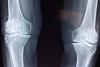
NewsInnovative implant material combines osteogenic and antibacterial properties for superior bone repair
A new study introduces a novel polyetheretherketone (PEEK)-based implant material that not only promotes bone growth but also possesses potent antibacterial capabilities.
-
 News
NewsMegamonas bacterium found to influence obesity risk
A recent study identifies a potential obesity-linked bacterium, Megamonas, from a large-scale cohort of obese individuals in China, illustrating how the bacterium degrades intestinal myo-inositol, enhances lipid absorption, and contributes to obesity.
-
 News
NewsScientists uncover role of bacteria in keloid scarring
A new study explores the microbiome of keloids, which are treatment-resistant raised scars. Researchers found higher concentrations of bacteria and different types of bacteria than are found in normal skin, especially in deep layers of the keloid.
-
 News
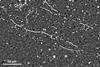
NewsDiscovery of ancient microfossil sheds light on adaptive evolution of sulfate-reducing bacteria
A 518-million-year-old microbial fossil from China identified as an ancient sulfate-reducing bacterium sheds light on the adaptive evolution of sulfate-reducing bacteria in response to Earth’s oxygenation events.
-
 News
NewsWater-soluble version of bacterial enzyme may help researchers develop new antibiotics
Researchers created a water-soluble version of an important bacterial enzyme, which can now be used in drug screens to identify new antibiotics.
-
 News
NewsOur bacteria are more personal than we thought, study shows
The trillions of bacteria that call your body home appear to be unique to you, like a fingerprint, concludes a detailed study of the gut, mouth, nose and skin microbiomes of 86 people.
-
 News
NewsEngineered microbial community could serve as living carbon sink
A Chinese team of researchers has genetically engineered a microbial community which could serve as a living carbon sink.