
All t cells articles
-
 News
NewsT cells are a powerful force against Zika virus
Scientists tested two Zika vaccines in a study that brings them one step closer to a “pan-orthoflavivirus vaccine”, which could teach T cells to fight several viruses at once.
-
 News
NewsGut-pancreas immune crosstalk may offer new therapeutic strategies for pancreatic cancer
A new study reports that immune responses produced in lymph nodes shared by the liver, pancreas and intestine shape T-cell tolerance. This cross-organ immune rewiring increases T-cell infiltration into pancreatic tumors, pointing to potential new approaches for hard-to-treat pancreatic cancers.
-
 News
NewsGut bacteria boost immune system and help send Vitamin A to T cells
Scientists have discovered that gut bacteria help regulate the development of the body’s immune system by directing the movement of vitamin A through a previously unrecognized cellular network.
-
 News
NewsTwo companion papers explain immune ‘exhaustion’ - and how we might prevent it
Chronic and viral infections can literally exhaust certain key cells in the immune system from a constant barrage of attacks. But a new pair of papers has now pointed a way to understand how this exhaustion happens at a molecular level.
-
 News
NewsT cells may be key to stopping measles virus—and its deadly relatives
Scientists have discovered how T cells target paramyxoviruses, a viral family that includes measles virus and Nipah virus. Instead of vaccinating against one virus at a time, the researchers found that activating “cross-reactive” T cells may protect against the wider paramyxovirus family.
-
 News
NewsNew vaccine strategy could help extend immunity against evolving viruses
Researchers have identified a possible way to make longer lasting vaccines for respiratory viruses like influenza and the coronavirus that causes COVID-19.
-
 News
NewsScientists uncover how HPV-positive cancers hide from the immune system — and how to make them visible again
A new study solves a major mystery in cancer immunology by uncovering how HPV hides cancer cells from the immune system by using MARCHF8 to destroy MHC-I, which serves as a warning flag for the immune system.
-
 News
NewsHow food shortages reprogram the immune system’s response to infection
When food is scarce, stress hormones direct the immune system to operate in “low power” mode to preserve immune function while conserving energy. This reconfiguration is crucial to combating infections amid food insecurity.
-
 News
NewsCOVID-19 viral fragments shown to target and kill specific immune cells
New research shows that after the body’s defenses kill the virus behind COVID-19, leftover digested chunks of SARS-CoV-2 spike protein can target specific immune cells based on their shape. It could explain why certain populations of cells that detect and fight infection are depleted in patients with severe COVID-19.
-
 News
NewsTB and HIV treatments are not enough for a full recovery
Existing treatments control TB and HIV, but the immune system does not revert to normal, helping explain why people living with HIV remain susceptible to infections and underscoring the need for immunotherapies.
-
 News
NewsNew mechanism links Epstein-Barr virus to MS
Scientists investigating the links between the Epstein-Barr virus and multiple sclerosis show that when the immune system fights EBV, certain T cells – which normally attack the virus – can also react to a protein in the brain called Anoctamin-2 (ANO2), a phenomenon called molecular mimicry.
-
 News
NewsNew test could help pinpoint IBD diagnosis, study finds
A test that rapidly detects signs of inflammatory bowel disease (IBD) in stool samples could improve future diagnosis and monitoring of the condition, a study suggests. The luminescent reporter lights up when it detects a molecule linked to gut inflammation.
-
 News
NewsT cells take aim at Chikungunya virus
A new study offers the first-ever map of which parts of Chikungunya virus trigger the strongest response from the body’s T cells, bringing researchers closer to developing Chikungunya vaccines or therapies that harness T cells to strike specific targets to halt infection.
-
 News
NewsResearchers engineer a herpes virus to turn on T cells for immunotherapy
Researchers have identified herpes virus saimiri, which infects the T cells of squirrel monkeys, as a source of proteins that activate pathways in T cells that are needed to promote T cell survival - a promising tool in the fight against cancer.
-
 News
NewsGut microbes release cancer-fighting bile acids that block hormone signals
Bacteria naturally present in the human intestine can transform cholesterol-derived bile acids into powerful metabolites that strengthen anti-cancer immunity by blocking androgen signaling, according to a preclinical study.
-
 News
NewsFrom Spanish flu to today: how immune cells keep up with a changing virus
In a breakthrough for influenza research, scientists have discovered immune cells that can recognise influenza (flu) viruses even as they mutate, raising hopes for a longer-lasting vaccine and a universal protection against future flu pandemics.
-
 News
NewsT cells’ capability to fully prevent acute viral infections opens new avenues for vaccine development
Scientists have discovered that T cells—white blood cells that can destroy harmful pathogens—can completely prevent viral infection, to an extent previously thought only possible due to neutralising antibodies.
-
 News
NewsNew therapeutic approach for severe COVID-19
A new clinical study shows that an inhibitor of Fas ligand, also called CD95 ligand, led to a faster recovery of COVID-19 patients and reduced mortality.
-
 News
NewsKey role found for gut epithelial cells in the defense against deadly diarrheal infections
A newly identified subset of intestinal epithelial cells act as both the major target and a key responder in a mouse model of gut infection by the bacteria Citrobacter rodentium.
-
 News
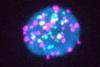
News’Dormant’ HIV produces RNA and proteins during anti-retroviral therapy
Two independent groups of researchers report that a subset of ‘dormant’ HIV-infected cells spontaneously produce HIV RNA and proteins that may impact patients’ HIV-specific immune responses.