
All UK & Rest of Europe articles – Page 30
-
 News
NewsPlants influence the composition and function of their surrounding microbiome to suit their needs
An investigation into plant–microbe interactions at the genetic, metabolic and physiological levels revealed that 203 bacterial gene sequences were strongly shaped by the host plant, for example through their metabolic products. One bacterial genus was found to enhance root development even in nitrogen-limited soils.
-
 News
NewsScientists fight superbugs with nets, light switches - and egg white
A new gel could combat resistant bacteria in wounds and around implant sites, while also supporting healing. The hydrogel, which is inspired by natural immune defences, has produced highly promising results in animal models.
-
 News
NewsHigh consumption of ultraprocessed foods may be linked to cancer survivors’ risk of death
Cancer survivors who consumed higher amounts of ultraprocessed foods as part of their diet had a significantly increased risk of both all-cause and cancer-specific death, a new study shows.
-
 News
NewsWHO calls for mental health to be central to neglected tropical disease care
A major new World Health Organization publication sets out, for the first time, a practical, evidence-based package of care to address the mental health impacts of neglected tropical diseases (NTDs) and the stigma that can prevent people from seeking care and participating fully in society.
-
 News
NewsResearchers uncover the invisible worlds beneath our feet
An analysis of a natural aquifer revealed that despite their close spatial contact and possible interactions, the microorganisms in the water and on the rock form two strongly contrasting ecological communities.
-
 News
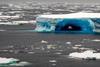
NewsSediment core yields evidence of an unexpected climate feedback in Antarctica
Researchers have concluded that global warming may lead to reduced uptake of carbon dioxide than at present in the Pacific sector of the Southern Ocean if the West Antarctic Ice Sheet, which is considered unstable, continues to shrink.
-
 News
NewsSix years after COVID-19’s global alarm: Is the world better prepared for the next pandemic?
Six years ago, the Director-General of the World Health Organization sounded the highest global alarm available under international law at the time, declaring the outbreak of a new coronavirus disease. As we cross this six-year mark, WHO asks: Is the world better prepared for the next pandemic?
-
 News
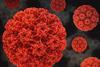
NewsStudy suggests far fewer cervical cancer screenings are needed for HPV‑vaccinated women
In a modeling study of women vaccinated against human papillomavirus (HPV), researchers found that cervical cancer screening could be done far less often than current recommendations without compromising health benefits.
-
 News
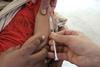
NewsDanish pediatrician warns Denmark’s childhood vaccine schedule is not one the U.S. can copy
Danish pediatrician Lone Graff Stensballe DMSc, PhD warns that the U.S. should not replicate Denmark’s childhood vaccine strategy due to major social and health disparities between the two countries.
-
 News
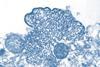
NewsNipah virus outbreak: Risk of global threat is low, say experts
The Global Virus Network is monitoring reports of a Nipah virus outbreak in India and emphasizes that such cases, while very concerning and serious, are not unexpected or unprecedented.
-
 News
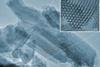
NewsFrom biocidal coatings to medicines: A nanocomposite sting for microorganisms
A surface capable of responding to chemical signals generated by microorganisms and automatically producing biocidal substances – a description of how the B-STING silica nanocomposite works. The new material acts as a nanofactory of reactive oxygen species, activating only when necessary.
-
 News
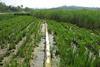
News£2.8 million research project to combat one of the world’s most urgent health threats
An ambitious new £2.8 million international programme will aim to tackle antimicrobial resistance (AMR) across East Africa. It will examine how environmental, social and economic factors influence the spread of drug-resistant infections in East African communities.
-
 News
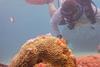
NewsCorals sleep like us, but their symbiosis does not rest
A study has revealed that corals also sleep, despite not having a nervous system, while their microbiome remains awake. For the first time, a biological day-night pattern that transcends the individual and helps sustain a symbiotic relationship has been identified in situ.
-
 News
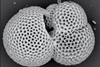
NewsFossilized plankton study gives long-term hope for oxygen depleted oceans
A new study suggests the world’s oxygen depleted seas may have a chance of returning to higher oxygen concentrations in the centuries to come, despite our increasingly warming climate. Source: Anya Hess Scanning electron image of fossilised planktonic foraminifera. Researchers at the University of Southampton (UK) and ...
-
 News
NewsA rapid test using a mobile phone will be able to identify the most severe cases of imported malaria within minutes
A new malaria tool uses a mobile phone to combine rapid diagnostic tests with video analysis and is capable not only of detecting the infection in under six minutes but also of predicting which patients may develop severe forms of malaria.
-
 News
NewsInstitut Pasteur issues statement on U.S. administration’s attacks against biomedical research, global public health action and vaccination
For several months now, the current U.S. administration has consistently attacked and endeavored to weaken biomedical research and public health action in the United States and worldwide with unparalleled vigor, the Institut Pasteur has said in a new statement.
-
 News
NewsMineral dust accelerating melting of Greenland ice sheet
Scientists have found that airborne mineral dust and other aerosols are directly connected to how much algae grows on the ice. The algae interfere with albedo, or the reflection of the sun’s rays, exacerbating melting.
-
 News
NewsEmbedding critical thinking from a young age will help solve world problems, microbiologists say
Scientists from around the world have called for a radical refocus of school curricula from early years to high school to include more critical thinking and learning skills to empower students to ‘think outside the box’.
-
 News
NewsFecal microbiota transplantation improves response to immunotherapy in advanced kidney cancer
A new study provides compelling evidence that fecal microbiota transplantation (FMT) can enhance the effectiveness of immunotherapy in patients with advanced metastatic renal cell carcinoma (mRCC).
-
 News
NewsPesticides significantly affect soil life and biodiversity
Seventy per cent of soils in Europe are contaminated with pesticides. A Europe-wide study shows that their effects on soil life are substantial, as pesticides suppress various beneficial soil organisms. To protect soil biodiversity, the findings should be taken into account in current pesticide regulations.