
All University of Illinois Chicago articles
-
 News
NewsAncient bacterial signals from cell powerhouses may fuel excessive inflammation
Researchers have discovered that proteins released from mitochondria can activate the immune system in a similar way to invading bacteria, suggesting that remnants of mitochondria’s evolutionary past may contribute to inflammation.
-
 News
NewsHow immune cells in our gut mesentery fight salmonella
Researchers have found that immune cells in a portion of the abdominal cavity, called the mesentery, play a critical role in suppressing — or exacerbating — salmonella infection.
-
 News
NewsNew antibiotic attacks bacteria in never-before-seen way
Scientists have discovered a new antibiotic that works in a never-before-seen way and may be the next frontliner in the fight against drug-resistant superbugs.
-
 News
NewsResearchers discover a new antibiotic — and a new way to kill drug-resistant bacteria
Researchers have discovered a new antibiotic that kills some of the world’s most dangerous and drug-resistant bacteria by targeting a previously unknown vulnerability. Manikomycin has shown early effectiveness against priority pathogens including Salmonella, E. coli, and Klebsiella.
-
 News
NewsScientists source anti-cancer treatment in bacteria
Researchers have developed an anti-cancer therapy inspired by bacteria found in cancer tumors. The therapy is made from a fragment of a bacterial protein, a peptide called aurB. In cancer tumors in the animal models, aurB prevented energy production in the tumor cells’ mitochondria, essentially cutting off the tumor’s fuel.
-
 News
NewsYeast in gut microbiome can worsen salmonella infection
Researchers have discovered that a yeast commonly found in our gut can make infection with salmonella worse. Salmonella binds to Candida albicans and triggers a chain reaction that allows the bacteria to better invade cells lining the intestines.
-
 News
NewsIntranasal herpes infection may produce neurobehavioral symptoms, study finds
A new study finds that herpes infection through the nose can lead to anxiety, motor impairment and cognitive issues. The research is the first to show that, by exploiting a cellular enzyme, the virus can produce behavioral symptoms.
-
 News
NewsInvasive plants drive homogenization of soil microbial communities across U.S.
A new study found that invasive plants are doing more than just taking over landscapes, they are also changing the soil beneath them.
-
 News
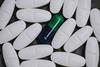
NewsDual action antibiotic could make bacterial resistance nearly impossible
A new antibiotic that works by disrupting two different cellular targets would make it 100 million times more difficult for bacteria to evolve resistance, according to new research
-
 News
NewsProtein-rich diets may influence gut microbiome and body composition
New research has shed light on the effects of protein-rich diets on the gut microbiome and overall health.
-
 News
NewsNew research reveals gut microbiota link to colitis - and therapetic strategies
Researchers have revealed a new and critical role of Axin1 in regulating intestinal epithelial development and microbial homeostasis.
-
 News
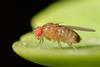
NewsFruit fly compound could lead to new antibiotics
Scientists have found that a peptide from fruit flies could lead to new antibiotics.
-
 News
NewsSalmonella exposure poses a risk for colon cancer
Researchers who studied human colon cancer tissue samples and animal models have found that exposure to salmonella was linked with colon cancers that developed earlier and grew larger.