
All University of Illinois Urbana-Champaign articles – Page 2
-
 News
NewsKidney fibrosis linked to molecule made by gut bacteria
A molecule made by bacteria in the gut can hitch a ride to the kidneys, where it sets off a chain reaction of inflammation, scarring and fibrosis — a serious complication of diabetes and a leading cause of kidney failure.
-
 News
NewsReady for market: Yeast process boosts clean, cost-efficient chemical production of succinic acid
A re-engineered yeast strain that efficiently produces succinic acid has been developed, which allows this valuable chemical to be produced at a lower cost.
-
 News
NewsBrewed chicken protein made by precision fermentation tested in pet food
In a groundbreaking new project, scientists used precision fermentation to produce brewed chicken protein and evaluated it for use in pet food. Dogs that consumed the protein in their kibble during a six-month study had beneficial digestive effects, they found.
-
 News
NewsStudy identifies gene clusters in rhizobia linked to robust legume growth
A new study identified clusters of rhizobial genes that appear to move rapidly through bacterial populations and drive greater plant biomass in host plants. Understanding the interplay of host and bacterial genomes will help to optimize plant growth by improving the rhizosphere.
-
 News
NewsBiologicals vs. biostimulants: study clarifies crop input confusion
Scientists have published a commentary on use of biologicals and biostimulants in agriculture, calling for more nuanced labelling and regulation.
-
 News
NewsTheory for aerosol droplets from contaminated bubbles bursting gives insight into spread of pollution and infectious disease
Researchers have conducted a systematic study to investigate bubble bursting jets – aerosol particles sprayed when bubble surfaces rupture – when surface contaminants are present.
-
 News
NewsFlightpath Biosciences licenses microbiome-sparing antibiotic developed at Illinois
Flightpath Biosciences, Inc., has licensed a class of antibiotics developed at the University of Illinois Urbana-Champaign. The original antibiotic agent, lolamicin, effectively treated bacterial infections in animal models of disease without wiping out beneficial gut microbes.
-
 News
NewsStudy links influenza A viral infection to microbiome, brain gene expression changes
Infection with influenza A is found to be associated with disruptions in newborn piglets’ nasal and gut microbiomes and with potentially detrimental changes in gene activity in the hippocampus, a brain structure that plays a central role in learning and memory.
-
 News
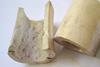
NewsResearchers deploy yeast platform to turn urine into high-value bio-implant material
Researchers have engineered a yeast platform that converts human urine from wastewater into hydroxyapatite, a high-value, biocompatible substance for use in dental and bone implants, restoration of archaeological artifacts and other applications.
-
 News
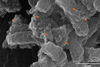
NewsCould nanoplastics in the environment turn E. coli into a bigger villain?
New research suggests certain nanoplastics may make foodborne pathogens more virulent. Nanoplastics with positively charged surfaces were more likely to cause physiological stress in E. coli O157:H7, making them pump out more Shiga-like toxin.
-
 News
NewsMicroalgae and bacteria team up to convert CO2 into useful products
Most methods of genetically modifying the bacterium Escherichia coli and other microbes to convert carbon dioxide into useful biological products require additional carbon sources. A new study overcomes this limitation by combining the photosynthetic finesse of a single-celled algae with the production capabilities of the bacteria E. coli.
-
 News
NewsTeam finds regional, age-related trends in exposure to drug-resistant pathogen
A study from 10 US states found drug-resistant Campylobacter jejuni infections were highest in the 20-39 age group and that quinolone-resistant C. jejuni infections increased from 22.6% of those tested in 2013 to 33.54% in 2019. It identified regional differences in C. jejuni resistance to quinolones and six other classes of antibiotics.
-
 News
NewsNew automated method increases the efficiency of bioactive natural product discovery
In light of the technological advancement in machine learning and bioinformatics tools, researchers developed a fully-automated and integrated platform that enables them to easily identify bioactive natural products in Streptomyces.
-
 News
NewsGenomic tools provide clearer view of health for endangered bats
Researchers have used advanced molecular tools to survey the health status of endangered Indiana bats, identifying microbiome changes resulting from parasitic infections.
-
 News
NewsMinecraft players can now explore whole cells and their contents - including yeast and bacteria
Scientists have translated nanoscale experimental and computational data into precise 3D representations of bacteria, yeast and human epithelial, breast and breast cancer cells in the video game Minecraft.
-
 News
NewsGene-edited soil bacteria could provide third source of nitrogen for corn production
If corn was ever jealous of soybean’s relationship with nitrogen-fixing bacteria, advancements in gene editing could one day even the playing field. A recent study from the University of Illinois Urbana-Champaign shows that gene-edited bacteria can supply the equivalent of 35 pounds of nitrogen from the air during early corn ...
-
 News
NewsMapping the gut microbiome to create personal nutrition plans
Researchers are developing methods of mapping the microbiome to help create personalized nutrition plans for individuals. They designed metabolomic analyses that are accessible and reusable for dietary research targets such as corn, wheat and citrus.
-
 News
NewsResearchers develop model to evaluate food safety control strategies for produce industry
You’ve probably heard of product recalls involving lettuce, spinach, or other leafy greens. Consuming these popular vegetables are among the main causes of food poisoning, affecting thousands of people every year. Leafy greens can become contaminated with pathogenic E. coli or other bacteria through splashes of soil or contaminated irrigation ...
-
 News
NewsStudy offers insight into chloroplast evolution
Researchers have found evidence suggesting that the primary role of primitive chloroplasts may have been to produce chemical energy for the cell and only later shifted so that most or all of the energy they generated was used for carbon assimilation.
-
 News
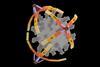
NewsNanorobot hand made of DNA grabs viruses for diagnostics and blocks cell entry
A tiny, four-fingered ‘hand’ folded from a single piece of DNA can pick up the virus that causes COVID-19 for highly sensitive rapid detection and can even block viral particles from entering cells to infect them.
- Previous Page
- Page1
- Page2
- Page3
- Page4
- Next Page