
Be inspired by some of the world’s leading microbiologists, discover the work of laboratories around the world, get advice on key topics and find out about exciting career opportunities in the world of microbiology.
Be Inspired
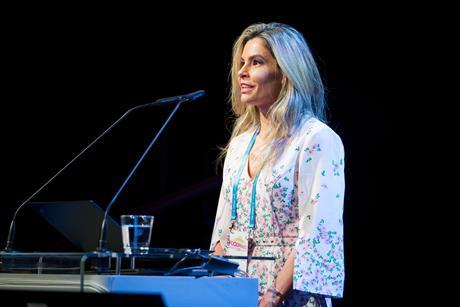
Food and innovation: Reflections from FOODMicro 2026
AMI Food Security Advisory Group member Professor Marciane Magnani, a Full Professor of Food Science at the Federal University of Paraíba (UFPB), Brazil, reflects on her experiences of FOODMICRO 2026 in Slovenia.
Horizon Award winners one year on: What are they up to?
The nominations for the Horizon Awards are in - and the judges are making their decisions. While we await the big announcement, we’ve been catching up with the superstars who won in 2025.

Meet the Global Ambassadors: our Q&A with Sanjib Bhakta
The Microbiologist gets to know our Global Ambassador for the UK, Professor Sanjib Bhakta who is Professor of Molecular Microbiology and Biochemistry at Birkbeck, University of London.

How a sceptic was won over: Charlotte Wilson on her internship with AMI
Fourth year PhD student Charlotte Wilson admits she was sceptical before she embarked on her PIPS internship with Applied Microbiology International’s Communications and Marketing Team - but here’s how it turned out.
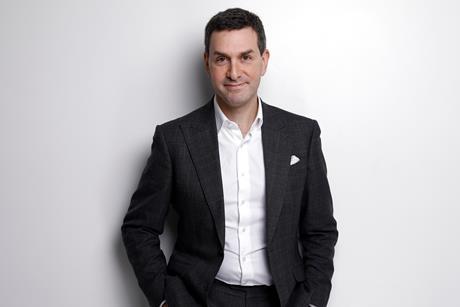
From microbiome research to personalized cosmetics: The genesis of BYOME LABS
BYOME LABS was founded through the initiative of David Suissa, an entrepreneur trained at École Polytechnique and the Corps des Mines. After leading companies in the fields of perfumery and applied microbiology, he chose to structure a new approach centered on the biological evaluation of cosmetic products.

The Space Microbiology Group
The Space Microbiology Group studies how microorganisms behave in space conditions, using tools such as microbiology, molecular biology, system biology and geomicrobiology to learn how new biotechnologies could be applied to space.

The Rahlff lab
The Aero-Aquatic Virus Research Group led by Dr. Janina Rahlff conducts basic research on microbial viruses from the surface microlayer, which is the 1-mm thick ‘skin’ of a water body’s surface, and in atmospheric ecosystems.
The Microbial EcoGenomics and Biotechnology Lab (MEGBLab)
At MEGBLab, our mission is to advance the understanding of microorganisms and their crucial role in environmental sustainability.

Laboratorio Calidad de Aguas
The Water Quality Laboratory of the National University of Salta, founded by Dr Mónica Salusso and Dr. Liliana Moraña, is going from strength to strength - but faces challenges posed by major budget cuts to science and research in Argentina.
Like humans, some primates become cautious of germs in the wake of a viral outbreak
Researchers found that macaque monkeys who had lived through a deadly disease outbreak became significantly more cautious about food that appeared contaminated, even though they did not know how the disease had spread. The findings suggest that pathogen-avoidance behavior can be shaped by experience, offering clues about the evolutionary roots of disgust.
Read story
Could plywood provide a better home for oil-degrading microbes?
The material used to support microbial biofilms could influence their potential role in treating water generated during oil production. Researchers examined whether different supporting materials affect the formation, abundance, and composition of biofilms inside a 14-hectare constructed wetland treating oil-produced water.
Newly discovered viruses could bridge a missing link in evolution
Researchers have uncovered previously unknown viruses that appear to bridge the evolutionary gap between viruses and protein compartments found inside cells. The discovery suggests these systems may have evolved from one another repeatedly, offering new clues about the origins of cellular organisation and the early evolution of life.

Scientists discover a way to reverse coral bleaching at record speed
For the first time, scientists have observed bleached corals on the brink of death fully recover through brief contact with healthy clones. Ghostly white corals returned to full health in a laboratory setting within seven weeks, the fastest documented recovery to date, according to a study.
Advice
Next-gen microbiologists: from innovators to business leaders
Today, we need microbiologists to be not only academics or researchers but also budding innovators, entrepreneurs, and business leaders. Career possibilities in this domain are vast, as people can build their own ventures, become policy makers, and employers.
Navigating mid-career challenges in biotech, pharma, and life sciences amid sector-wide layoffs
The current economic climate has cast a shadow over biotech, pharmaceutical, and life sciences industries, with widespread layoffs and restructuring efforts creating an atmosphere of uncertainty.
My autistic academic maze - and my advice to neurodiverse PhD students
In Neurodiversity Celebration Week, PhD student Joshua Yates reveals the challenges of pursuing a career in microbiology with autism and dyslexia - and his advice to others.

The true cost of science
Discover valuable insights from three companies in the microbiology field, and their experience of balancing innovation, investment, and sustainability to drive their success.
Nine to five
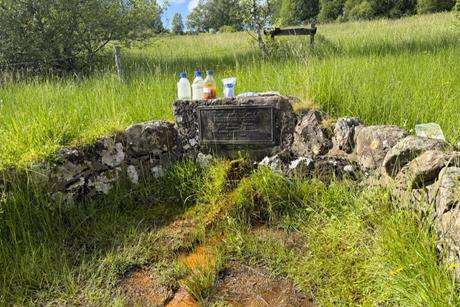
A day in the life: Discovering the hidden microbes of Britain’s historic waters
PhD student Wewerly Fernandes outlines her investigations into the microorganisms living in Britain’s historic wells and natural springs - once believed to hold healing properties and linked to legends of Merlin and renowned figures like Robert Burns.
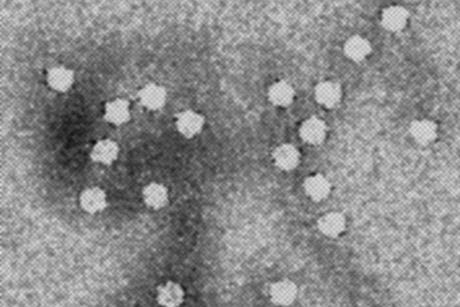
A week in the life of a Parvovirus researcher
Alejandro Fernández Llorente works as a predoctoral researcher at Centro de Biología Molecular Severo Ochoa (CBM-CSIC), a prestigious biomedical research centre located in Madrid, Spain.
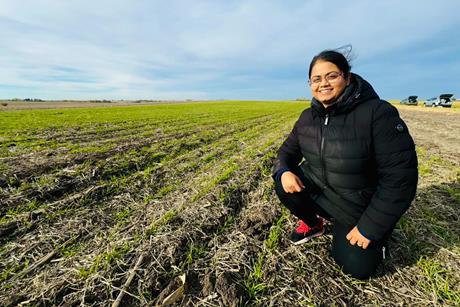
A day in the life of a soil microbial ecologist
Dr. Taniya RoyChowdhury, a soil microbial ecologist and biogeochemist at the Woodwell Climate Research Center, describes a typical day.
A day in the life of Associate Practitioner in Microbiology
Discover the role, the challenges, and key opportunities for the future.
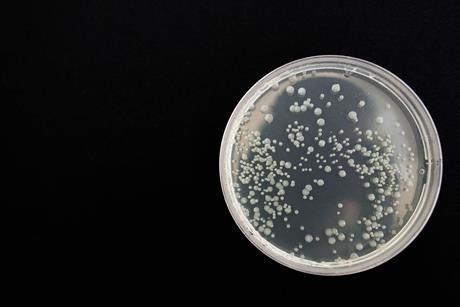
The role of clinical microbiologists in HAIs, AMR and beyond
A clinical microbiologist describes the key roles and technological challenges encountered in a typical day.