
All macrophages articles
-
 News
NewsHow a single viral protein hijacks immune cells to supercharge COVID-19 infection
A new discovery reveals how a SARS-CoV-2 protein reprograms immune cells to accelerate viral spread—and points to a new strategy for therapeutic intervention.
-
 News
NewsDietary tryptophan prevents sepsis
Dietary tryptophan protects against sepsis through gut microbiota-derived metabolites which enhance macrophage bacterial phagocytosis.
-
 News
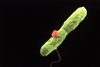
NewsFor Legionella bacteria, taking over a cell means playing by its rules
New research demonstrates how a protein produced by Legionella mimics the behavior of the host cell’s own proteins.
-
 News
NewsEngineered macrophages gain enhanced bacteria-targeting ability
A novel membrane interface engineering strategy enables immune cells to specifically recognize, capture and eliminate pathogenic bacteria without genetic modification.
-
 News
NewsImmune ‘reprogramming’ could protect poultry from deadly diseases without antibiotics
A naturally occurring gut molecule could strengthen chickens’ immune response against a wide range of bacterial infections.
-
 News
NewsSteroids reduce inflammation in chronic mycobacterial lung infections without limiting antimicrobial defence
Researchers have shown that dexamethasone, a commonly prescribed anti-inflammatory steroid, can reduce harmful inflammation triggered by Mycobacterium avium without weakening the ability of human immune cells to control the infection.
-
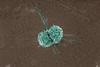 News
NewsMalaria causes permanent damage to phagocytes in the spleen
A new study has shown that recruited macrophages are only capable of replacing resident ones to a limited extent during malarial infection.
-
 News
NewsHow immune cells in our gut mesentery fight salmonella
Researchers have found that immune cells in a portion of the abdominal cavity, called the mesentery, play a critical role in suppressing — or exacerbating — salmonella infection.
-
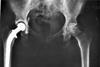 News
NewsHow exercise fights implant infections: Muscle hormone “musclin” unveiled as a key defender
A new study reveals how the exercise-induced myokine musclin reprograms macrophage metabolism to clear dead cells and treat periprosthetic joint infections.
-
 News
NewsWhy antibiotics fail against a common dental implant disease
A study of peri-implantitis found that bacteria corrode implants, causing them to shed microscopic titanium particles into the surrounding tissue. Those particles hijack the immune cells sent to clear the infection and lock them into a state of inflammation that destroys the jawbone they are supposed to protect.
-
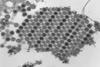 News
NewsResearchers may now understand why chikungunya virus infections turn chronic
About half of people infected with chikungunya virus will progress to a chronic form of the disease. A new study finds that chikungunya virus persists in joint-associated macrophages, a specialized type of white blood cell that helps the body defend against pathogens.
-
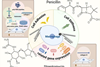 News
NewsPenicillin–streptomycin influences macrophage mechanical properties and microenvironment mechano-sensation
A foundational finding in mechanobiology reveals that penicillin-streptomycin (pen-strep), the antibiotic mixture universally added to mammalian cell culture media, is not a biologically inert antimicrobial agent.
-
 News
NewsResearchers uncover how bacteria suppress immune defences in stubborn wound infections
A common bacterium can suppress the body’s early warning system in wounds, causing infections to persist and create an environment that allows other bacteria to take hold. Enterococcus faecalis releases large amounts of lactic acid in the wound, which lowers pH, weakens immune cells and prevents them from fighting an infection.
-
 News
NewsMacrophage immune cells need constant reminders to retain memories of prior infections
Researchers have discovered that immune cells known as macrophages remain poised to fight repeat infections due to the persistent presence of signaling molecules left behind during previous infections.
-
 News
News3′UTR-derived small RNA couples acid resistance to metabolic reprogramming in Salmonella within macrophages
Salmonella expresses the arginine decarboxylase AdiA, which confers acid resistance by catalyzing an H+-consuming reaction. Researchers have discovered that the 3′-untranslated region (UTR) of adiA mRNA is processed by RNase E into a regulatory small RNA, AdiZ.
-
 News
NewsTB and HIV treatments are not enough for a full recovery
Existing treatments control TB and HIV, but the immune system does not revert to normal, helping explain why people living with HIV remain susceptible to infections and underscoring the need for immunotherapies.
-
 News
NewsToxic gut bacteria may drive ulcerative colitis by killing protective immune cells
A toxin-secreting gut bacterium may fuel ulcerative colitis by killing protective immune cells that maintain intestinal homeostasis, according to a new study. The findings suggest potential for new treatment strategies.
-
 News
NewsRebalancing the gut: how AI solved a 25-year Crohn’s disease mystery
Researchers have settled a decades-long debate surrounding the role of the first Crohn’s disease gene to be associated with a heightened risk for developing the auto-immune condition.
-
 News
NewsNew study reveals diverse threats from Avian E. coli
New research has determined why various strains of Avian Pathogenic E. coli behave so differently. The study analysed a colibacillosis outbreak in turkeys in the UK, and found a strain called ST-101 was the dominant cause of the outbreak, accounting for nearly 60% of cases.
-
 News
NewsCould targeted steroid use offer a universal complimentary treatment to fight TB?
Newly published research provides evidence that treating patients with steroids may enhance the function of their macrophages to kill the mycobacteria, while diminishing pathways of inflammatory damage.