
All Uppsala University articles
-
 News
NewsNew class of fungi named after the King of Sweden
Researchers have discovered a completely new fungal species, which they chose to name after the King of Sweden. It is the first known representative of a new class of fungi that will be called Semicentenialomycetes.
-
 News
NewsCapacity of certain unicellular organisms to stick together may be key to animal evolution
Researchers have found that after feeding a specific bacteria to a certain unicellular relative of animals, the single cells began to stick to one another, revealing a possible mode by which our ancestors began to evolve into animals billions of years ago.
-
 News
NewsNew research reveals cell proteins that drive severe viral infections
Researchers have identified two human cell proteins, NUP98 and NUP153, that play a crucial role in how viruses such as tick-borne encephalitis virus (TBEV), West Nile virus, and dengue virus replicate in the body.
-
 News
NewsAtomic-level structure of a giant virus revealed
Researchers have successfully determined, for the first time, the capsid structure of Melbournevirus—a member of the giant virus family—at a resolution of 4.4 Å using cryo-electron microscopy.
-
 News
NewsAntibiotics can affect the gut microbiome for several years
Researchers have found strong links between a person’s history of antibiotic use and the composition of their gut microbiome, including the diversity of bacterial species.
-
 News
NewsEleven genetic variants affect the gut microbiome
In two new studies on 28,000 individuals, researchers are able to show that genetic variants in 11 regions of the human genome have a clear influence on which bacteria are in the gut and what they do there. Only two genetic regions were previously known.
-
 News
NewsNew research decodes the bacterial “zip code” of colorectal cancer for prediction and survival
A recent study shows that bacteria living inside colorectal tumors form distinct ecosystems that are closely linked to how the disease progression and patient outcomes.
-
 News
NewsNew sepsis diagnostic could reduce critical time to save patients
A new diagnostic method would confirm sepsis infections earlier, cutting critical hours in the “race against time” to save patients’ lives. The process uses a centrifuge to separate bacteria from blood cells, and automatic microscopy for detection.
-
 News
NewsCultured mini-organs reveal the weapons of aggressive Shigella bacteria
Thanks to lab-grown miniature intestines, researchers have successfully mapped how aggressive Shigella bacteria infect the human gut. The study opens the door to using cultured human mini-organs to investigate a wide range of other serious infections.
-
 News
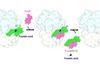
NewsNew molecular movie reveals how antibiotic resistance to fusidic acid works
Researchers revealed how FusB, a resistance protein found in clinically resistant strains of the bacterium Staphylococcus aureus, can rescue ribosomes from the antibiotic fusidic acid. FusB works like a molecular crowbar to free the blocked ribosome.
-
 News
NewsControlling starch levels in algae could have biotechnology and sustainability benefits
Researchers have found a new method to control starch storage in algae - a finding with potential applications in areas such reducing greenhouse gases. Modifying a blue light-activated signalling pathway makes it possible to regulate storage, they say.
-
 News
NewsNew ‘shy’ fungus found in old-growth forest
Although fungi of the genus Piloderma are common, scientists have now discovered five previously unknown species. One of these is one of the most widely distributed species in Northern Europe, while another is found only in old-growth forests.
-
 News
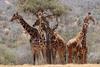
NewsUnexpected species-specific patterns in study of giraffe gut flora
The gut bacteria of giraffes are not primarily determined by what they eat, but by the species they belong to., according to a new study analysing the link between diet and gut flora in three giraffe species in Kenya. The study also provides new knowledge that can help secure the food supply of endangered giraffe species.
-
 News
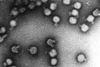
NewsRoute of entry for Semliki Forest virus into the brain revealed, yielding brain cancer treatment hope
Researchers have shown that the Semliki Forest virus enters the central nervous system by first entering the cerebrospinal fluid and binding to a specific cell type before penetrating deeper into the brain, potentially tagging the virus as an agent for treating brain cancer.
-
 News
NewsEuropean capacity for antibiotic R&D requires long-term funding
The AMR Accelerator projects have called for long-term investments, stressing the need to preserve the European capacity for antibiotic R&D by sustaining the assets, expertise, and research infrastructures required to develop new treatments for drug-resistant infections.
-
 News
NewsMicrobe dietary preferences influence the effectiveness of carbon sequestration in the deep ocean
The movement of carbon dioxide (CO2) from the surface of the ocean to the deep ocean depends on a number of seemingly small processes - including the dietary preferences of bacteria that feed on organic molecules called lipids.
-
 News
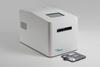
NewsRapid test for UTI wins $10m Longitude Prize on AMR to transform fight against superbugs
Sysmex Astrego’s PA-100 AST System has won the $10m (£8m) Longitude Prize on AMR. The winning test provides accurate antibiotic susceptibility results in 45 minutes – compared to the 2-3 day wait patients currently face.
-
 News
NewsResearchers uncover two new mechanisms behind antibiotic resistance
Two newly discovered mechanisms in bacteria have been identified that can contribute to the development of antibiotic resistance. Source: Uppsala University Helen Wang, Senior Lecturer and Docent at the Department of Medical Biochemistry and Microbiology, Uppsala University Changing the number of copies of resistance genes in bacteria ...
-
 News
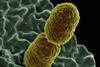
NewsWarning signs herald the development of antibiotic resistance
A new study shows how heteroresistance, a transient resistance common in many bacteria, can act as a precursor to the development of antibiotic resistance.
-
 News
NewsDouble risk of dementia after mouth ulcer virus
People who have had the herpes virus at some point in their lives are twice as likely to develop dementia compared to those who have never been infected.