
All Aquaculture articles
-
 News
NewsRiver drinking water sources may face greater antibiotic resistance risks than reservoirs, study finds
A basin-wide study of 13 drinking water sources in China’s Poyang Lake region shows that water source type can strongly shape the occurrence and spread of antibiotics, antibiotic resistance genes, and resistant bacteria.
-
 News
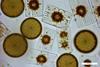
NewsFirst results published from major algal gene sequencing project
A new study reveals that different species of microscopic algae can behave in strikingly different ways because of their genetics.
-
 News
NewsSwimming in rivers and lakes linked to higher risk of stomach bugs and rashes
Researchers have found that people swimming in rivers and lakes were more than twice as likely to develop skin problems, while higher levels of bacteria linked to faecal pollution were associated with an increased risk of stomach bugs.
-
 News
NewsTiny ocean plankton holds clues to the future of Maine lobster
Researchers have discovered that planktonic baby lobsters, or larvae, preferentially feed on Calanus finmarchicus, a tiny, calorie-rich zooplankton species, during one of the most vulnerable stages of their lives.
-
 News
NewsPomegranate emerges as a promising natural phytobiotic for veterinary medicine
Researchers have identified a broad range of biological properties in pomegranate with potential for use in medical applications, including antimicrobial, antiparasitic, antioxidant, immunomodulatory, antidiabetic, anti-inflammatory and wound-healing effects.
-
 News
NewsBiochar as an “electron bridge” unlocks hidden power of energy‑saving wastewater treatment
New research reveals how a charcoal‑like material triples electron transfer capacity in ammonia‑removing microbes, cutting wastewater treatment costs by up to 90%.
-
 News
NewsAdding iron to the ocean can remove CO2 – but at what cost to nature?
Adding iron to the ocean can cause plankton to absorb more CO2 from the atmosphere. However, the effect depends on where in the world the method is used, and it can have far-reaching consequences for marine ecosystems and food chains.
-
 News
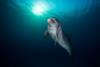
NewsDolphin blow may reveal the health status of these marine mammals
An international team of researchers has developed a new methodology to identify potential pathogens in dolphin blow.
-
 News
NewsNew AI-driven technology could help combat harmful algal blooms
Researchers are developing an innovative technology that could help stop harmful algal blooms before they spread.
-
 News
NewsAntibiotic-resistant seafood bacterium found in Vietnam fish farming waters near popular island destination
A multi-drug resistant bacterium linked to seafood-related illness has been detected in fish-farming waters near Cat Ba Island, Vietnam.
-
 News
NewsNew coastal pathogen database maps microbial risks across global waters
A new platform allows better mapping of global coastal environments to help track pathogens and associated risk factors.
-
 News
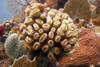
NewsTiny predatory bacteria help protect endangered Caribbean corals
New research suggests a microscopic predator may offer a new way to protect some of the Caribbean’s most endangered corals.
-
 News
NewsA tiny pore identifies cyanobacteria toxins in lake water
Scientists have developed a new nanopore sensor that detects microcystins, toxins released by cyanobacterial blooms, one molecule at a time.
-
 News
NewsHigh-resolution map reveals where veterinary antibiotics enter China’s environment
A new study has developed a high-resolution, county-level inventory of veterinary antibiotic emissions across China, offering researchers and policymakers a clearer picture of where these pollutants originate and where they may accumulate.
-
 News
NewsWhat D.C.’s algal bloom reveals about a growing water threat
Environmental engineer Steven Chapra speaks out about cyanobacteria algal blooms in the newly renovated Lincoln Memorial Reflecting Pool, expanding on why harmful algal blooms are a growing concern, and what they may mean for freshwater ecosystems.
-
 News
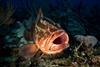
NewsBreakthrough for aquaculture: Oral vaccine protects fish from fatal nervous necrosis virus
A novel oral vaccine, that can be mixed into fish feed, provides an effective, practical and cost-effective method to protect fish from the highly deadly nervous necrosis virus.
-
 News
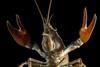
NewsRice-crayfish farming strengthens soil nutrient cycling
Using metagenomic sequencing, a study has shown that integrated rice-crayfish systems increase the abundance of functional genes involved in methane oxidation, nitrogen degradation, denitrification, organic phosphorus mineralization, and phosphorus transport compared with rice monoculture. Source: Brian Tomlinson from Milton Keynes, UK Crayfish. The paddy planting area within ...
-
 News
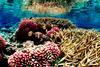
NewsGlobal assessment of ocean warming impacts on marine ecosystems
New study reveals that year‑round ocean heating by 1.5°C drives over 200 documented marine ecosystem disruptions.
-
 News
NewsUnsafe water still drives global diarrheal disease burden
A new study, analysing data from the Global Burden of Disease 2021 database, found that deaths and disability-adjusted life years linked to unsafe water have declined sharply over the last three decades. Nevertheless, the burden remains concentrated in low socio-demographic index regions.
-
 News
NewsHow cyanobacteria developed photosynthetic membranes over the course of evolution
New research analyses hundreds of cyanobacterial genomes to understand the origin of thylakoids, the internal membranes involved in photosynthesis.