
All Asia & Oceania articles – Page 69
-
 News
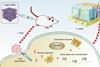
NewsNovel nanoreactor CU@G - AMPs: A promising solution for antibacterial therapy
A novel sustainable antibacterial therapy - an antibiotic-free complex, Cu@G-AMPs, has been developed by a team of Chinese scientists to combat drug-resistant bacteria such as MRSA.
-
 News
NewsMorpho-phylogenetic evidence reveals novel hyphomycetous fungi on medicinal plants in Southwestern China
A survey of saprobic fungi on medicinal plants in Southwestern China identified 39 hyphomycetous collections belonging to Dictyosporiaceae, Melanommataceae, and Stachybotryaceae, representing 19 distinct species.
-
 News
NewsMicrobial solutions for boosting seaweed farming and carbon capture
A new study reveals how manipulating the microscopic life living on seaweed can contribute to developing industrial-scale seaweed farming and boost its potential for fighting climate change.
-
 News
NewsV-161: A breakthrough in the fight against antibiotic-resistant VRE infections
Researchers from Japan have identified V-161, a compound that inhibits Enterococcus hirae V-ATPase activity, disrupting Na+ transport and effectively inhibiting VRE growth.
-
 News
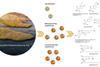
NewsA new fungal discovery: Hypoxylon luteogranulatum from Thailand
A recent study identified Hypoxylon luteogranulatum, a newly and intriguing described fungal species within the family Hypoxylaceae.
-
 Long Reads
Free-living amoebae and emerging public health challenges in a warming world
The year 2023 was the warmest since global temperature records were established in 1850. Discover the role of free-living amoebae in the transmission of waterborne pathogens and human infection, in the context of rising global temperatures.
-
 News
NewsGlobal research on hydrothermal pretreatment: A green leap for biorefineries
From a global analysis of the research in hydrothermal pretreatment, a bibliometric study highlights its use as the future of biorefineries for sustainable biomass conversion.
-
 News
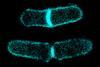
NewsFinal synthetic yeast chromosome unlocks new era in biotechnology
A team of researchers has successfully synthesised the very first yeast chromosome using specialised genome-editing technique that provides insights for synthetic biology and biomanufacturing fields.
-
 News
NewsCamel milk udderly good alterative to traditional dairy
In addition to being hypoallergenic, camel milk could potentially protect the gut from harmful enzymes and create healthier digestion. Research has found that camel milk contains more naturally occurring bioactive peptides compared to its bovine counterpart.
-
 News
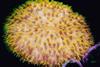
NewsFloat like a jellyfish: New coral mobility mechanisms uncovered
A new study has investigated how the free-living mushroom coral Cycloseris cyclolites moves, navigates and responds to light in its natural environments.
-
 News
NewsShorter, smarter, safer: Short-course antibiotics can revolutionize healthcare
Researchers suggest that short-course antibiotic treatment could be the next game-changing strategy to treat ventilator-associated pneumonia (VAP) in various economic settings. It provides a cost-effective and practical approach that benefits both patients and the healthcare systems.
-
 News
NewsScientists culture previously uncultivable human rhinovirus C with innovative respiratory organoids
Scientists have successfully utilised human respiratory organoids (mini-organs) established by their team to propagate human rhinovirus C (HRV-C), which had previously been refractory to conventional virus cultivation.
-
 News
NewsScientists synthesize a promising mushroom-derived compound
Researchers have successfully developed the first method to synthesize inaoside A, a compound derived from the edible mushroom Laetiporus cremeiporus.
-
 News
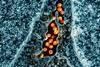
NewsDihydroartemisinin inhibits T cell activation in people living with HIV with incomplete immune reconstitution in vitro
A new study provides insights into the biological mechanisms underlying incomplete immune reconstitution in people with HIV and supports dihydroartemisinin’s potential as a therapeutic agent.
-
 News
NewsCycle of coral bleaching on the Great Barrier Reef now at ‘catastrophic’ levels
Marine scientists have published the first peer-reviewed study documenting the devastating coral bleaching events that occurred on the southern Great Barrier Reef in early 2024. 66 per cent of the colonies were bleached by February 2024 and 80 per cent by April.
-
 News
NewsEffectiveness and safety of tenofovir amibufenamide in the treatment of chronic hepatitis B: A real-world, multicenter study
A new study aimed to evaluate the real-world effectiveness and safety of tenofovir amibufenamide (TMF) in a cohort of patients with chronic hepatitis B (CHB).
-
 News
NewsAntibiotic treatment for drug-resistant tuberculosis found to be safe and effective in clinical trial
Two clinical trials were conducted to successfully test an oral antibiotic levofloxacin for the preventive treatment of multidrug-resistant tuberculosis (MDR-TB).
-
 News
NewsBacterial small noncoding RNA promotes gut colonization by regulating sialic acid metabolism
A novel 3′ UTR-derived small noncoding RNA was discovered to regulate metabolism of N-acetylneuraminic acid in Salmonella enterica pathogenesis.
-
 News
NewsScientists develop new 'twindemic' diagnostic system for rapid viral testing
A team of scientists has recently developed a novel TwinDemic Detection (TDD) system, designed for simultaneous detection of SARS-CoV and influenza A virus (IAV).
-
 News
NewsExplainable deep learning model provides new understanding of harmful algal blooms in China’s lakes and reservoirs
Researchers have developed an advanced explainable deep learning model to predict and analyze harmful algal blooms (HABs) in freshwater lakes and reservoirs across China, offering insights into their underlying drivers and potential mitigation strategies.