
USA & Canada
USA & Canada News
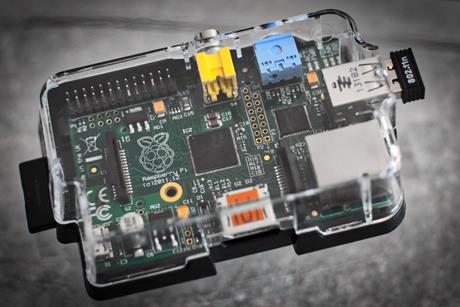
Researchers built a low-cost system that knows when coughing is on the rise
What if a room could tell when coughing is on the rise without cameras or identifying anyone? Researchers have developed a low-cost sensor system that uses microphones, AI and lightweight computing to count coughs and distinguish between different coughers, potentially helping hospitals spot increases in respiratory illness earlier.
- Previous
- Next
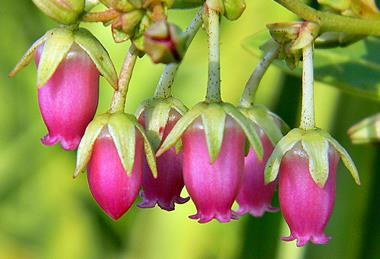
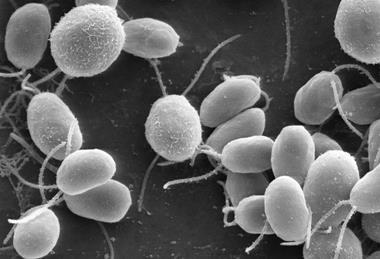
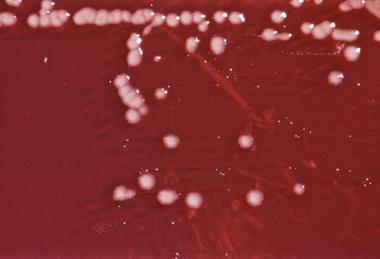
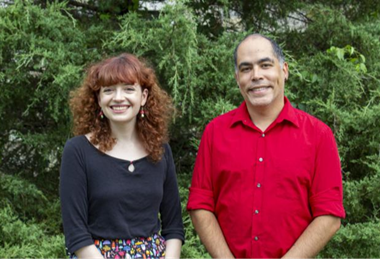
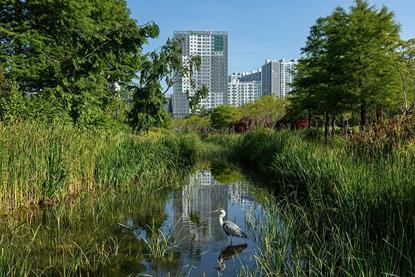
When do human-driven changes to wildlife microbiomes become a One Health concern?
Animals live in close partnership with communities of microbes that support digestion, immune development, and defence against pathogens, but human activities are changing those partnerships, says Katherine M. Lagerstrom.
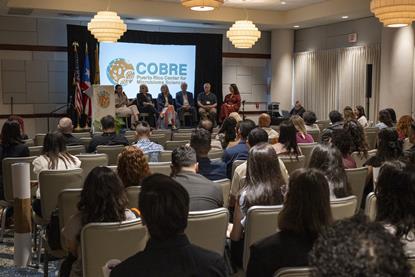
The First Microbiome Symposium of Puerto Rico and the Caribbean – new success for the COBRE Center for Microbiome Sciences
The inaugural Microbiome Symposium of Puerto Rico and the Caribbean marked a major milestone for microbiome science in the region and reinforced Puerto Rico’s growing leadership in interdisciplinary biomedical research, says chair Filipa Godoy-Vitorino of the University of Puerto Rico.
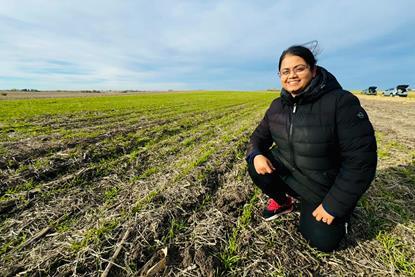
A day in the life of a soil microbial ecologist
Dr. Taniya RoyChowdhury, a soil microbial ecologist and biogeochemist at the Woodwell Climate Research Center, describes a typical day.
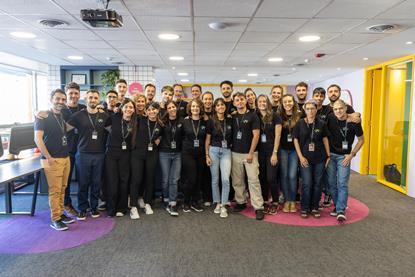
The Future is Fungi 2025: award-winner Michroma’s mission to harness fungi for clean food dyes and flavors
Winner of The Future is Fungi Award 2025, US and Argentina-based foodtech startup Michroma is replacing petrochemical coloring with fungibased natural ingredients, launching one of the world’s leading sustainable platforms for food flavors and colors. Here’s its story.
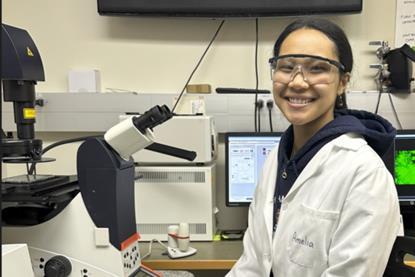
Summer studentship: Amelia investigates how Streptococci aggregate with other oral bacteria
Amelia Rohim reports back on her AMI-sponsored summer studentship which focused on the investigation of inter-species aggregation between oral bacteria at the University of Michigan with Dr. Alexander Rickard.
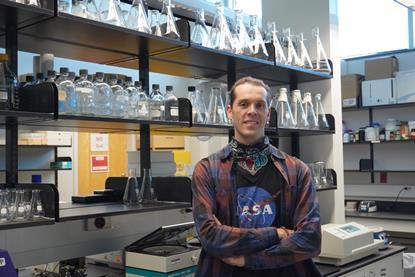
Towards space plastics - and solving a few Earth problems en route
Dr Nils Averesch, Assistant Professor of Space Biology at the Space Life Science Laboratory, Cape Canaveral, reveals how his research on microbial plastic production could pave the way for thriving human settlements in space.
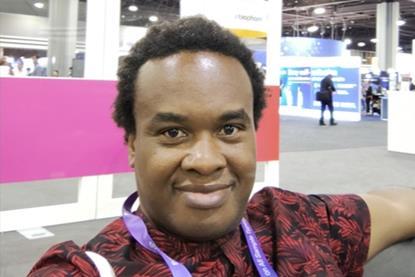
Drug discovery and a valuable chance to network: Ugochukwu Anieto on a fascinating experience at ASM 2024
Professor Ugochukwu Anieto of Texas A&M University reveals how AMI’s Scientific Event Travel Grant helped him to gather some fascinating insights on antimicrobial compounds at the recent ASM conference.
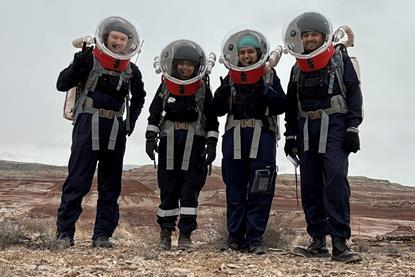
Scientists put Mars DNA sampling protocols to the test with help from AMI grant
Thanks to support from Applied MIcrobiology International, scientists testing sampling collection protocols in Mars analogue conditions have shown that non-scientists will be able to replicate the tests as long as they follow the methods.