
As the Global Virus Network issues a stark warning over the significant resurgence of measles in the US and globally, William J. Moss, Sten H. Vermund, and Maggie L. Bartlett set out what needs to be done if the preventable harms of the current surge are to be reversed.
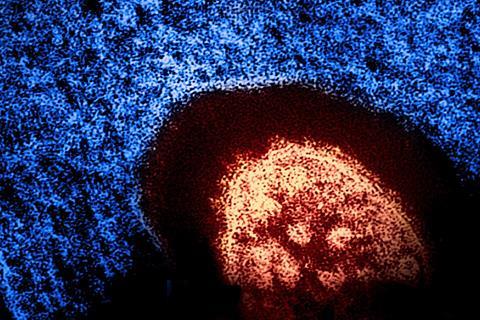
The Measles virus is one of the most contagious viruses known, and its serious consequences are entirely preventable through vaccination. Yet, in 2025, the United States is experiencing its highest number of measles cases in over 30 years, with more than 1,300 confirmed cases across 40 states – the most cases in a single year since 1992. And more than 90% of cases are in individuals who were unvaccinated or whose vaccination status was unknown.
Outbreaks like the one in Texas have resulted in at least three child deaths, with hundreds of cases concentrated in communities with low vaccine coverage. In Gaines County, the Texas measles epicenter, the proportion of K–12 students with vaccine exemptions rose from under 5% in 2015 to over 14% in 2025. Similar clusters have emerged in New Mexico, Kansas, California, Ohio, Pennsylvania, Montana, and Kentucky. These outbreaks highlight how rapidly measles spreads in the context of suboptimal vaccination coverage.
Fuelling the resurgence
Several threats fuel this resurgence. Vaccine hesitancy, sometimes driven by misinformation, erodes public trust in immunization. In the Florida area, Centers for Disease Control and Prevention (CDC) data reported by the Center for Infectious Disease Research and Policy have documented that vaccine coverage for children entering kindergarten dropped from 90% in 2019 to 80% in 2025 in Sarasota alone with 90% of Florida counties below the ideal 95% threshold, and 40.3% of counties below 90%.
This reduction in protection will ensure the return of measles in Sarasota as well as other low coverage areas of the U.S. The COVID-19 pandemic disrupted routine immunization programs, and we have not caught up to pre-COVID coverage rates with a surge in anti-vaccine sentiment. Wherever nonmedical exemptions to vaccination exceed about 5% for the two doses of measles vaccine given at about 1 and 5 years of age, children are vulnerable to measles outbreaks.
Devastating dangers
The dangers of measles extend beyond the acute illness. Severe and sometimes fatal complications are common in lower income nations, but even in the US, subacute sclerosing panencephalitis (SSPE) is a rare but devastating neurological condition that can emerge years after the initial infection, causing progressive brain damage and death.
Measles can result in a potential loss of immune memory that may affect survivors’ risk of other infections long after recovery.
Measles during pregnancy carries serious risks of severe disease in the mother, sometimes leading to hospitalization, miscarriage, premature birth, and/or low birth weight in their children. Affected children can have lifelong harm to their normal development and wellbeing.
Globally, the post-COVID srge in measles cases (estimates exceed 10 million in 2023 and the same again in 2024) is fuelled by fragile health systems, conflict, displacement, and interruptions to vaccination efforts. The interconnectedness of our world means that outbreaks abroad quickly threaten domestic populations, as travellers can unknowingly carry the virus into under-vaccinated communities here in the United States.
Four critical actions
To reverse these threats and stop measles from spreading, we must prioritize four critical actions.
- First, immediate efforts are needed to vaccinate unvaccinated children and adults with the MMR vaccine. Improving access is fundamental, which means making vaccines widely available through schools, pharmacies, community clinics, and outreach programs designed for underserved populations.
- Second, restoring trust in vaccines requires stronger, clearer, and compassionate public health messaging that reaches families across all communities and political beliefs. Trusted voices whether healthcare providers, community leaders, or educators, must engage in honest dialogue to address concerns and counter misinformation without judgment. Muted and ambivalent messages about the value of measles vaccines and promotion of false therapies or alternatives to vaccination will mislead and undercut children’s health.
- Third, improving surveillance and outbreak response systems allows rapid containment measures, reducing spread and protecting vulnerable individuals. Investments in technology like point-of-care tests and public health infrastructure must be prioritized at local, state, and national levels.
- Fourth, targeted efforts to reach rural and underserved communities are vital, where vaccine hesitancy and access issues are often greatest. Tailored strategies that respect cultural and socioeconomic realities can help overcome barriers that one-size-fits-all programs often miss.
Urgency, unity and focus
The Global Virus Network (GVN), a coalition of experts in 40+ countries, wishes to help global and local responses to these threats. Failure to immunize endangers lives today and weakens our ability to confront future viral challenges.
Educating the public on measles vaccination is a shared responsibility to protect children, families, and communities. Vaccination choices affect more than the individual; they safeguard those who are vulnerable and cannot be vaccinated (immunosuppressed persons, for example) and keep our schools, homes, and workplaces safer.
To reverse the preventable harms of the current measles surge requires urgency, unity, and a renewed focus to restore the progress of past decades and build a healthier future free from preventable measles outbreaks and their devastating consequences.
Dr. William Moss is executive director of the International Vaccine Access Center and a Professor at Johns Hopkins Bloomberg School of Public Health (a GVN Center of Excellence). Dr. Sten Vermund is Chief Medical Officer of the GVN and Dean of the College of Public Health at the University of South Florida. Dr. Maggie L. Barlett is an assistant research professor at Johns Hopkins Bloomberg School of Public Health.




No comments yet