
All cadmium articles
-
 News
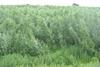
NewsScientists uncover how engineered biochar and microbes work together to boost plant-based cleanup of cadmium-polluted soils
A new study reveals how specially modified biochar can significantly improve the ability of willow trees to remove toxic cadmium from contaminated soils, offering a promising strategy for restoring polluted land in a sustainable way.
-
 News
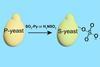
NewsSulfated yeast could help recover rare earth metals from waste liquids
Electronics, optical fibers, and superconducting materials heavily rely on rare earth metals, but innovative recycling solutions are lacking. Now researchers in Japan have successfully achieved selective recovery of metals with S-yeast, a sulfated yeast.
-
 News
NewsNew biochar technology promises breakthrough in soil clean-up and crop safety
Scientists have unveiled a pioneering method that could help farmers reclaim lands blighted by toxic metals and boost the safety of crops grown in contaminated soils. Phosphorus-modified biochar can reduce the threat posed by heavy metals in agricultural soils near mining areas.
-
 News
NewsFungi–biochar partnership boosts soil health and crop growth under cadmium stress
A study reports that combining arbuscular mycorrhizal fungi (AMF) with biochar can reshape soil microbiomes, reduce cadmium uptake, and dramatically improve plant growth, offering a sustainable strategy for restoring farmland contaminated with heavy metals.
-
 News
News‘Major leap in bioelectronic sensing’: researchers turn bacteria into tiny pollution detectors
Researchers have engineered E. coli to act as living multiplexed sensors, allowing these genetically modified cells to detect and respond to multiple environmental toxins simultaneously by converting their biological responses into readable electrical signals.
-
 News
NewsResearchers discover how bacteria in deep-sea vents deal with toxic metal environments
A new study investigates how bacteria in deep-sea hydrothermal vents can survive and thrive in the presence of highly toxic copper and cadmium.