
Antimicrobial resistance (AMR) is one of the greatest global health challenges facing modern medicine. With the effectiveness of many existing antibiotics declining, there is an urgent need to inspire the next generation of scientists and raise awareness of alternative approaches, including bacteriophage therapy.
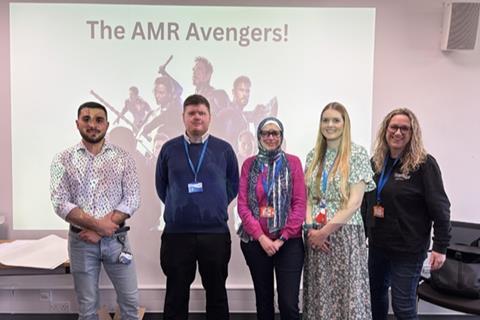
To support this, Coventry University welcomed students from schools across the West Midlands for an immersive outreach experience focused on bacteria, viruses, AMR, and the potential of bacteriophages as a future tool in combating antibiotic-resistant infections.
The day began with students arriving at the Coventry University campus, bringing with them a unique scientific resource: water samples collected from local environments. These samples, taken from ponds, rivers, and other local waterways, represented potential reservoirs of naturally occurring bacteriophages, viruses that specifically infect bacteria and could one day contribute to new antimicrobial therapies.
The morning session introduced students to the fascinating world of microbiology. Through interactive discussions and activities, students explored the differences between bacteria and viruses, how microorganisms influence our daily lives, and why some microbes can become harmful. They were introduced to the history and importance of antimicrobials, how antibiotics work, and how their misuse and overuse have contributed to the growing challenge of AMR.
Meet the phages
Students were then introduced to bacteriophages (“phages”), and how these naturally occurring viruses can target and destroy specific bacteria without affecting human cells. The session highlighted the potential of phage therapy as a complementary or alternative strategy to antibiotics, particularly against infections caused by multidrug-resistant bacteria. By connecting microbiology concepts with real-world healthcare challenges, students gained insight into how scientific research can contribute to solving global problems.
MICROBIOLOGY NEWS: Register with The Microbiologist for more free articles
Following the introductory sessions, students participated in a science communication workshop designed to encourage them to think beyond the laboratory and consider how scientific knowledge can be shared with wider audiences.
Working in groups, students developed ideas for communicating what they had learned through creative formats, including scientific posters, videos, social media campaigns, TikTok-style educational content, and information leaflets.
This activity encouraged students to develop a better understanding of AMR and then share this newly gained knowledge back home, helping to raise awareness of antimicrobial resistance and the importance of responsible antimicrobial use within their own schools, families, and wider communities.
Hands-on labwork
The highlight of the day was the transition from classroom learning to hands-on laboratory experience. Under the guidance of researchers and technical staff, students entered the laboratory environment and processed the water samples they had collected.
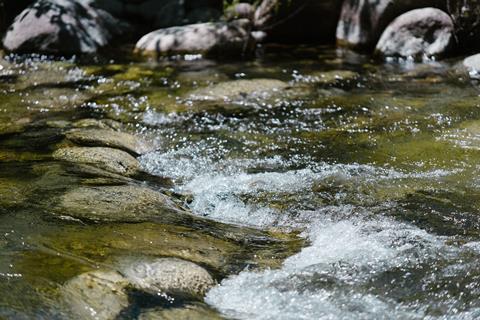
Using microbiological techniques, they began the process of isolating and screening naturally occurring bacteriophages from their environmental samples. The aim was to explore whether these local water sources contained previously unidentified phages capable of infecting bacteria and potentially contributing to future AMR research.
For many students, this was their first experience working in a laboratory and seeing how scientific discoveries begin; from asking questions and collecting samples to applying experimental techniques and analysing results. The activity demonstrated that ground breaking scientific discoveries could originate from everyday environments, including the water sources found within local communities.
Inspiring future scientists
The outreach event provided students with a unique opportunity to experience microbiology beyond the classroom, highlighting the importance of scientific curiosity, innovation, and collaboration in tackling global health challenges. By combining education, practical laboratory experience, and science communication, the programme aimed to inspire future scientists/researchers and empower young people to understand their role in addressing AMR.
The search for new antimicrobial solutions is not limited to large research facilities; sometimes, the next potential therapy may be hidden in a simple water sample collected by a curious student.




No comments yet