
All Early Career Research articles – Page 34
-
 News
NewsMicrobial cell factories may help get to the root of understudied plant molecules
A team of researchers has developed a method to produce a special class of plant hormones, known as strigolactones, at unprecedented levels using microbial cell factories.
-
 News
NewsWrong place, wrong time: Why Zika virus hijacks a protein needed for brain growth
A new study shows that the Zika virus hijacks a host protein called ANKLE2, which is important for brain development, to assist its own reproduction. Because Zika can cross the placenta, this can have disastrous consequences in pregnancy.
-
 News
NewsPet dogs often overlooked as spreader of antimicrobial-resistant Salmonella
Household dogs are an overlooked transmission point for zoonotic pathogens such as nontyphoidal Salmonella, which can cause diarrhea, fever and abdominal cramps, with some infections potentially having life-threatening complications.
-
 News
NewsResearchers uncover control mechanisms of polysaccharide utilization in gut bacterium
Polysaccharide utilization loci (PULs) complexes enable bacteria to bind, break down, and import specific polysaccharides, contributing to successful gut colonization. A new study explores how PULs are regulated post-transcriptionally to adapt to environmental changes.
-
 News
NewsSmall antibody offers broad protection against influenza
Researchers have discovered an antibody-like molecule that can protect mice from various influenza viruses. The findings could pave the way for new treatments and the development of broader influenza vaccines.
-
 News
NewsScientists uncover key step in how diazotrophs ‘fix’ nitrogen
There are only two ways of fixing nitrogen, one industrial and one biological. To better understand a key component of the biological process, researchers took a multi-pronged approach.
-
 News
NewsFecal transplantation offers new hope for diabetes patients with severe gastrointestinal issues
A newly published study shows that fecal microbiota transplantation (FMT) – a method where gut bacteria from healthy donors are transferred to patients – can be a safe and effective treatment for patients with type 1 diabetes and gastroenteropathy.
-
 News
NewsBacteria produce molecules that help viruses infect competing bacteria
In a new study, researchers have discovered a new way that bacteria can kill their competitors in complex microbial communities, revealing novel approaches to leverage viruses to kill harmful bacteria.
-
 News
NewsResearchers undercover how macronucleophagy ensures survival in nitrogen-starved yeast
Scientists sought to shed light on how macronucleophagy ensures the survival of nitrogen-starved S. cerevisiae and revealed that uncontrolled micronucleophagy due to the lack of normal macronucleophagy causes cell death.
-
 News
NewsStudy uncovers previously unknown bacterial mode of resistance against viruses
Researchers have discovered a unique mechanism that protects marine bacteria from viruses that attack them.
-
 News
NewsCompound derived from Brazilian plant acts against parasite that causes visceral leishmaniasis
A compound derived from Nectandra leucantha, a tree native to southern Brazil (local names canela-seca or canela-branca), has the potential to be used to treat visceral leishmaniasis, a neglected tropical disease.
-
 News
NewsOvercoming resistance: McMaster researchers find new utility for old antibiotics
In a recent study, researchers found that zinc plays a vital role in how some of the world’s most dangerous bacteria resist antibiotics.
-
 News
NewsSome bacteria evolve like clockwork with the seasons
The longest natural metagenome time series ever collected, with microbes, reveals a startling evolutionary pattern on repeat.
-
 News
NewsStudy uncovers how a new gut microbe drives the gut-lung axis
New findings highlight how a little-known member of the gut microbiome reshapes the lung immune environment to have both beneficial and detrimental effects on respiratory health.
-
 News
NewsSeasonal flu vaccine study reveals host genetics’ role in vaccine response
Scientists have found that influenza subtype-bias is primarily driven by host genetics, particularly major histocompatibility complex (MHC) class-II polymorphisms, with prior exposure playing a secondary role.
-
 News
NewsTinkering with the ‘clockwork’ mechanisms of life
Scientists have successfully recreated and validated two distinct mechanisms that can program both the activation and deactivation rates of nanomachines in living organisms across multiple timescales.
-
 News
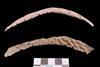
NewsSyphilis had its roots in the Americas, archaeological bone reveals
New research supports a root in the Americas for syphilis and its known relatives, and their introduction to Europe starting in the late 15th century is most consistent with the data, scientists say.
-
 News
NewsOcean microbe’s unusual pair of enzymes may boost carbon storage, study suggests
Scientists have discovered multiple forms of a ubiquitous enzyme in microbes that thrive in low-oxygen zones off the coasts of Central and South America.
-
 News
NewsWhat a century-old grapevine reveals about a disease that plagues wine country
Researchers used bacterial DNA from a 120-year-old herbarium specimen to reconstruct the history of Pierce’s disease in California.
-
 News
NewsFlu virus remains infectious in refrigerated raw milk
Influenza or flu virus can remain infectious in refrigerated raw milk for up to five days, a new study reveals. The findings come at a time when outbreaks of bird flu in dairy cattle have raised concerns about the potential for a new pandemic.