
All Fusobacterium articles
-
 News
NewsGut, airway and tumor microbes emerge as promising predictors of immunotherapy response in lung cancer
A comprehensive review systematically evaluates the microbiome’s role in lung cancer immunotherapy. Authors synthesized evidence covering microbial communities in the oral cavity, airways, lung tumors and gut, and their connections to treatment efficacy and immune‑related adverse events.
-
 News
NewsIntratumoral Fusobacterium as a prognostic and predictive biomarker in resectable colorectal cancer
Research supports the use of Fusobacterium as a prognostic and predictive biomarker in patients with resectable stage I–III CRC. Its presence was associated with more aggressive disease, a weaker immune response, and limited benefit from adjuvant chemotherapy.
-
 News
NewsRight versus left: Colorectal cancer’s two microbial worlds
New research reveals that the mucosal microbiome varies dramatically depending on whether a tumor arises on the right or left side of the colorectum, suggesting that the microbial environment surrounding tumors may be as geographically distinct as the tumors themselves.
-
 News
NewsLarge-scale microbiome study identifies robust colorectal cancer signature
Researchers have identified a robust microbial signature associated with colorectal cancer. The study also analysed 906 intestinal tissue samples to compare stool-based microbiome signals with microbes found directly in tumour tissue.
-
 News
NewsOral spray neutralizes smelly dog breath with plant extracts
An oral spray derived from molasses, a by-product of sugar cane refining, reduced bad smells, odor-producing compounds and harmful bacteria from 10 dogs’ mouths.
-
 News
NewsGut morphology, not just diet or phylogeny, shapes mammalian gut microbiomes
Diet and evolutionary history have long been viewed as the main drivers of the mammalian gut microbiome. However, a new study offers the first systematic evidence that gut morphology significantly influences both the structure and function of gut microbial communities.
-
 News
NewsGut bacteria may hold key to unlocking better cancer treatment
Scientists have discovered a range of microbial ‘biomarkers’ that could help to improve detection and treatment of gastrointestinal diseases (GIDs) such as gastric cancer (GC), colorectal cancer (CRC), and inflammatory bowel disease (IBD).
-
 News
NewsPoor oral health linked with body pain and migraines in women
A study showed that oral health, affected by the oral microbiome, has a direct link to musculoskeletal pain, including chronic migraines and headaches, as experienced by women with fibromyalgia.
-
 News
NewsResearchers unmask bacteria living in cancer metastases
Researchers have compiled a detailed catalogue of bacteria living in cancer metastases, shedding light on the diversity of these co-inhabitants and how they might interact with cancer cells and their surroundings.
-
 News
NewsMicrobial signature of colorectal cancer-associated mutations identified in new study
Researchers have identified microbiota signatures associated with KRAS mutations in people diagnosed with colorectal cancer, suggesting that gut microbes may serve as a kind of non-invasive biomarker for identifying subtypes of CRC.
-
 News
NewsTargeting Fusobacterium reduces formation of endometriosis lesions
Researchers have discovered that using an antibiotic to target Fusobacterium reduced the formation of lesions associated with endometriosis, a gynaecological disorder characterized by endometrial tissue usually found inside the uterus being found outside it.
-
 News
NewsResearchers discover how bacteria make pancreatic cancer cells grow and move
Virginia Tech researchers from the Department of Biomedical Engineering and Mechanics and the Department of Biochemistry have discovered a characteristic of a common oral bacterium that relocates to pancreatic cancer tumours that may help guide future therapeutic interventions for treatment.
-
 News
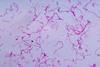
NewsFriendly virus found to attack harmful ringleader bacterium, Fusobacterium
Australian researchers have discovered a virus that attacks a prominent disease-causing bacterium—a “ringleader” that recruits harmful bacteria to cause periodontitis, and potentially helps cancer grow and spread.