
All gut microbiome articles
-
 Features
The birds, the bees, and the bugs: how gut microbes impact sex hormones and reproductive health
The gut microbiome has been tied to our reproductive health through its ability to produce, break down, and modify sex hormones.
-
 News
NewsResearchers uncover new link between gut bacteria and Alzheimer’s disease
A groundbreaking study has revealed a potential link between an infection caused by gut bacteria and the progression of Alzheimer’s disease.
-
 News
NewsResearchers help redefine core microbiome, opening new chapter in precision health
A collaborative study introduces a novel method for identifying the crucial set of gut microbes commonly found in humans and essential for health.
-
 News
NewsLachnospiraceae could be key to successful fecal transplants
Fecal microbiota transplants are a magic bullet for patients with recurring infections from Clostridioides difficile (C. diff), but researchers are only beginning to understand why.
-
 News
News$5.6 million grant awarded to target treatments for IBS, Crohn’s and Ulcerative colitis
An “out-of-the-box” study has been awarded a $5.6 million NIH grant to target treatments for IBS, Crohn’s, Ulcerative Colitis and more.
-
 Features
Metabolomics: decoding the chemical language of life
Imagine if we could explore the entire molecular universe in our bodies, interpreting the intricate chemical changes related to health and disease at its most fundamental level.
-
 News
NewsBetter together: Gut microbiome communities’ resilience to drugs
Many human medications can directly inhibit the growth and alter the function of the bacteria that constitute our gut microbiome. EMBL Heidelberg researchers have now discovered that this effect is reduced when bacteria form communities.
-
 News
NewsResearchers awarded $3 million grant to explore gut health
A $3 million grant has been awarded to investigate the energy generating processes of gut Bacteroides and how they impact our well-being.
-
 News
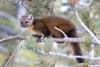
NewsCarnivore gut microbes can predict health of wild ecosystems
Gut microbes of wild marten (Martes americana) that live in relatively pristine natural habitat is distinct from the gut microbiome of wild marten that live in areas that are more heavily impacted by human activity, researchers have found. The finding highlights an emerging tool that will allow researchers and ...