
All Infection Prevention & Control articles – Page 79
-
 News
NewsSugar solution fights infection in dairy cows just as well as antibiotics
A concentrated sugar solution could be just as effective as antibiotics at treating a common infection in dairy cows, according to a new study.
-
 News
NewsPotentially harmful bacteria slip through antimicrobial showerheads
Researchers report that antimicrobial silver-containing showerheads are no ’silver bullet’. In real-world showering conditions, most microbes aren’t exposed to the silver long enough to be killed.
-
 News
NewsDiscovery of β‐nitrostyrene derivatives as potential quorum sensing inhibitors for biofilm inhibition in Serratia marcescens
A new study has identified β‐nitrostyrene derivatives as potential quorum sensing inhibitors for biofilm inhibition and antivirulence factor therapeutics against Serratia marcescens.
-
 News
NewsStudy assesses virulence of Cryptococcus strains, laying groundwork for improved treatment
A research group has just completed a six-year study to examine the virulence of 38 clinical isolates from various strains of Cryptococcus, taking us a step closer towards improved treatment of the fungal pathogen.
-
 News
NewsDisney princesses face hidden health risks, including zoonotic infections, warn experts
Although Disney princesses seem to live happily ever after, they face serious real world health hazards, warn experts in the Christmas edition of the BMJ.
-
 News
NewsStaphylococcus aureus thwarts vaccines by turning on a protein that halts immune response
Approximately 30 clinical trials to date have failed to result in an effective human vaccine for Staphylococcus aureus but researchers have now identified a key reason for these failures, indicating that it may be possible to modify the vaccines to work in humans.
-
 News
NewsScientists collect ‘microbial fingerprints’ found in household plumbing
Scientists sampled faucets in eight homes for seven days to see the flow and change of different bacteria populations. They found that, though houses generally shared major categories of bacteria, down to the species level, there was wide variation from house to house.
-
 News
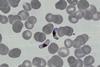
NewsGlobal research uncovers critical weakness in malaria parasite
Scientists exploring how immunity develops against Plasmodium falciparum found that broadly reactive antibodies from various individuals consistently bound to the same site on a key virulence protein of the malaria parasite.
-
 News
NewsFederal needle exchange programs are cost-effective to reduce health care costs, blood-borne infections
Needle exchange programs are evidence-based strategies that prevent transmission of blood-borne viruses, reduce injection-related infections, improve access to medical care, and facilitate entry into substance dependence programs for people who inject drugs, says a new study.
-
 News
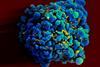
NewsBreakthrough of the Year: A drug that prevents HIV infection, providing six months of protection per shot
As its 2024 Breakthrough of The Year, Science has named the development of lenacapavir – a promising new injectable drug that prevents HIV infection. The award also recognizes related work surrounding gaining a new understanding of the structure and function of HIV’s capsid protein.
-
 News
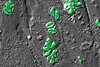
NewsStudy shows how genetic defects in Toxoplasma are rescued by co-infection
Toxoplasma gondii parasites can use secreted factors to compensate for genetic defects in neighbouring parasites, highlighting a limitation of pooled CRISPR screens.
-
 News
NewsResearch yields new model for replication of BKPyV virus, a major cause of kidney transplant failure
There are no effective antivirals against BK polyomavirus in transplanted kidneys. A better understanding of its replication will offer new ways to protect those kidneys.
-
 News
NewsCleaning surfaces every two hours cuts norovirus infections by 83% in airports
At airports, frequently disinfecting surfaces, mask-wearing and antimicrobial surface coatings can all help prevent the spread of norovirus, according to a new study.
-
 News
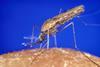
NewsBacterial ‘biopesticide’ against malaria mosquitoes successful in early field tests
An experimental bacteria-derived biopesticide is highly effective in killing malaria-carrying mosquitoes, including those that have developed resistance to chemical pesticides, according to initial field tests.
-
 News
NewsTherapeutic tool inhibits the proliferation of the SARS-CoV-2 virus that causes COVID-19
A study led by the University of Barcelona and the Spanish National Research Council’s Institute for Advanced Chemistry of Catalonia (IQAC - CSIC) presents a new therapeutic tool capable of inhibiting the proliferation of the SARS-CoV-2 virus that causes COVID-19. Source: University of Barcelona The experts Verònica Noé ...
-
 News
NewsThe viral puzzle of why humans are susceptible to hepatitis B - but monkeys are not
Scientists collaborated to reveal the structural features of hepatitis B viral receptor homologue in macaques that restrict viral entry into their cells.
-
 News
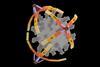
NewsNanorobot hand made of DNA grabs viruses for diagnostics and blocks cell entry
A tiny, four-fingered ‘hand’ folded from a single piece of DNA can pick up the virus that causes COVID-19 for highly sensitive rapid detection and can even block viral particles from entering cells to infect them.
-
 News
NewsResearchers develop lysosomal TRAP for clearance of viruses and variants
Researchers have developed a novel lysosomal strategy for clearing viruses and their variants. This lysosomal ‘TRAP’ (lysoTRAP) shows potential for inhibiting infection by viruses and variants in cell, mouse, hamster, and human lung organoid models.
-
 News
NewsPhotodynamic therapy with annatto colorant found to be effective against bad breath
A study by researchers working in Brazil shows that antimicrobial photodynamic therapy in which blue light targets annatto colorant is a feasible and effective option for treatment of halitosis in mouth-breathing children.
-
 News
NewsUsing antibiotics alone to treat children with appendicitis is a cost-effective and safe alternative to surgery
An analysis of data from more than 1,000 children with uncomplicated acute appendicitis found an antibiotics-only approach resulted in less pain and fewer days off from school during the first year after the initial hospital visit.