
All articles by Linda Stewart – Page 242
-
 News
NewsEuropean capacity for antibiotic R&D requires long-term funding
The AMR Accelerator projects have called for long-term investments, stressing the need to preserve the European capacity for antibiotic R&D by sustaining the assets, expertise, and research infrastructures required to develop new treatments for drug-resistant infections.
-
 News
NewsDeeper corals may help shallow reefs recover in the Florida keys
Using the blushing coral star (Stephanocoenia intersepta), found throughout the Western Atlantic, researchers have investigated how coral populations at different depths and locations may be related or ‘connected’ to each other.
-
 News
NewsDietary fibre powers the multivitamin factory in your gut
A study has uncovered how dietary fibres can enhance the availability of gut microbiome-produced B vitamins to the host to impact immune health.
-
 News
NewsStudy reveals link between microbiome and aggression
A new study has unveiled significant evidence connecting the gut microbiome to aggressive behavior in mice. The research explores how disruptions in the microbiome, particularly due to antibiotic use in early life, can lead to increased aggression.
-
 News
NewsBacteria ‘doing their job’, as nitrogen fertilizer for soybeans offers limited yield benefits
Researchers tested whether modern high-yielding soybeans benefit from nitrogen fertilizer, with results suggesting additions are largely unnecessary.
-
 News
NewsMedical device could diagnose respiratory infections with breath
A proof-of-concept study promises the speedy diagnosis of lower respiratory tract infections through analysis of human breath.
-
 News
NewsFleming Initiative raises first £100m in the global fight against AMR
Three new partners have pledged additional funding and resources to the Fleming Initiative’s global effort to combat antimicrobial resistance (AMR), as leading medical expert Professor Lord Ara Darzi calls for tighter restrictions on the use of antibiotics.
-
 News
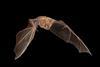
NewsFruit-only diet improves bats’ immune response to viruses
Fruit bats generate more diverse antibodies than mice, but overall have a weaker antibody response, according to a new study.
-
 News
NewsScientist studying parasite-derived vesicles in babesia virulence and vaccine development
Fatah Kashanchi, Professor of Virology at George Mason University, has received funding for the study: ’Parasite-Derived Vesicles in Babesia virulence and Vaccine Development’.
-
 News
NewsStudy charts spectrum of febrile rash illness in China from 2009 to 2021
A new study monitors the spectrum of viral pathogens involved in febrile rash illness (FRI) and their epidemiology.
-
 News
NewsGood nutrition boosts honey bee resilience against pesticides and viruses
In a new study, researchers investigate how nutritional stress, viral infections and exposure to pesticides together influence honey bee survival. By looking at all three stressors together, the scientists found that good nutrition enhances honey bee resilience against the other threats.
-
 News
NewsStrategies needed to combat biofilm formation in the food industry to enhance food safety
A research team reveals that biofilm formation on food-contact surfaces in the food supply chain poses a significant challenge, providing an environment for harmful bacteria that can lead to foodborne illnesses and degrade food quality.
-
 News
NewsTen different pharmaceuticals detected in corals in the Gulf of Eilat
A new study has detected traces of 10 common medications in coral samples collected from both shallow and deep sites in the Gulf of Eilat. Sulfamethoxazole, an antibiotic used for respiratory and urinary tract infections, was found in as many as 93% of the sampled corals.
-
 News
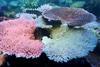
NewsRemarkable diversity in heat tolerance can help protect coral reefs
New research has found previously undocumented variation in coral heat tolerance on the Great Barrier Reef, giving hope that corals’ own genetic resources may hold the key for us to help in its recovery and adaptation.
-
 News
NewsMicroplastics found in all three parts of coral anatomy
Researchers have found that all three parts of the coral anatomy—surface mucus, tissue, and skeleton—contain microplastics. They used a new microplastic detection technique which they applied to coral for the first time.
-
 News
NewsResearch team discovers molecular mechanism for a bacterial infection
Researchers have discovered the mechanism by which the bacterial pathogen Shigella flexneri, the causative agent of dysentery, manipulates molecular activity to assure its survival against its host’s natural defenses.
-
 News
NewsAnalysis sheds light on COVID-19-associated fungal disease in Japan
Researchers in Japan pored through data to understand the incidence in Japan of COVID-19-associated pulmonary aspergillosis (CAPA), a severe invasive fungal infection of the lungs.
-
 News
NewsScientists ID combination of bacterial strains that could treat antibiotic-resistant gut infections
Researchers have isolated 18 bacterial strains from stool from healthy people that could potentially be an effective treatment for antibiotic-resistant bacterial infections in patients with chronic inflammatory intestinal conditions.
-
 News
News‘Mother plants’ can stop viruses passing to their progeny
Scientists have learned how plants keep viruses from being passed to their offspring, a finding that could ensure healthier crops. The discovery could also help reduce the transmission of diseases from mothers to human children.
-
 News
NewsScientists evolve microbial cultures that can sense pH changes
Scientists have successfully evolved microbial cultures that possess the ability to sense pH changes, enabling rapid responses to environmental fluctuations.