
More News – Page 173
-
 News
NewsAntibiotics taken during infancy linked to early puberty in girls
Girls given antibiotics during their first year of life, especially in the first three months, are more likely to enter puberty at an earlier age, according to new research.
-
 News
NewsProbiotic supplementation may help reduce chemotherapy side effects in breast cancer
A new study shows that probiotics with seven strains have a potential effect in patients with breast cancer, especially in the improvement of common chemotherapy-related side effects such as fatigue and nausea.
-
 News
NewsNew film series ‘The Deadly Five’ highlights global animal infectious diseases
The EU-funded WiLiMan-ID project is excited to announce the launch of a brand-new short film series, The Deadly Five. This series is aimed at raising awareness of five critical animal infectious diseases, classified as high priority.
-
 News
NewsTissue geometry drives bacterial infection: new mechanism uncovered
Researrchers have uncovered a novel mechanism by which tissue geometry regulates bacterial infection dynamics. The study employs a multidisciplinary approach to reveal how host tissue structure, mechanical forces, and cellular signaling shape infection patterns.
-
 News
NewsResearchers reveal how fungi ‘manipulate’ the course of tumors
In pancreatic ductal adenocarcinoma (PDA), the abnormal colonization of fungal communities has become a research hotspot. New research indicates that Malassezia is not only a ’marker’ in the tumor microenvironment but also a potential driver of cancer development.
-
 News
NewsResearchers pioneer novel, needle-free, live-attenuated influenza vaccines with broad protection
Researchers have achieved a significant breakthrough in developing broadly protective, live-attenuated influenza vaccines (LAIV).
-
 News
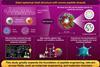
NewsSelf-assembly of a large metal-peptide capsid nanostructure through geometric control
Controlling the topology and structure of entangled molecular strands is a key challenge in molecular engineering. This new hollow dodecahedral shell demonstrates remarkable stability and potential for functionalization and encapsulating macromolecules.
-
 News
NewsScientists uncover secrets of cryo-EM structures of Nipah virus polymerase complex
A new investigation into the cryo-EM structures of Nipah virus polymerase complex reveals highly varied interactions between L and P proteins among paramyxoviruses.
-
 News
NewsStudy uncovers how the plastisphere can influence growth of harmful algal blooms
A new study published in Sustainable Microbiology delves into how the age and size of microplastics affects the growth of harmful algal blooms.
-
 News
NewsAntibiotics from human use are contaminating rivers worldwide, study shows
Millions of kilometres of rivers around the world are carrying antibiotic pollution at levels high enough to promote drug resistance and harm aquatic life, a new study warns.
-
 News
NewsForever chemicals influence cellular immune response to coronavirus
A new study shows that PFAS influence the cellular immune response to coronavirus and also reveals sex-specific differences as to how the immune system reacts to the virus.
-
 News
NewsCommon lung bacteria team up to evade immune defenses
A new study has uncovered how co-infection by Pseudomonas aeruginosa and Mycobacterium abscessus, two common lung pathogens, can suppress immune responses and worsen outcomes in patients with respiratory diseases.
-
 News
NewsResearchers map 7,000-year-old genetic mutation that protects against HIV
A genetic mutation that can make some modern day Danes resistant to HIV is thought to have arisen in one individual who lived in an area near the Black Sea between 6,700 and 9,000 years ago.
-
 News
NewsSlow-growing bacteria respond more sensitively to their environment
A new study reveals that the responsiveness of bacterial cells to environmental stimuli is directly linked to their growth rate: the slower cells grow, the more sensitively they respond. This increased sensitivity can give the cells a crucial survival advantage.
-
 News
NewsNovel point of attack to combat dangerous tropical diseases
Researchers have compiled a high-precision inventory of the membrane proteins of cell organelles of the African sleeping sickness pathogen, offering hope for new treatment approaches for dangerous tropical diseases.
-
 News
NewsNew study shows obesity linked to long COVID
New research has found that people with excess weight are more likely to experience long-term neurological and mental health symptoms after COVID-19, including headache, vertigo, smell and taste disorders, sleep disturbance, and depression.
-
 News
NewsPredictive AI model can help build vaccines for future versions of a virus
Researchers have created an AI tool called EVE-Vax that can predict and design viral proteins likely to emerge in the future. For SARS-CoV-2, panels of these “designer” proteins triggered similar immune responses as real-life viral proteins that emerged during the pandemic.
-
 News
NewsGlobal Virus Network meeting unites Caribbean and Latin America to tackle emerging viral threats
A two-day summit focused on collaborative strategies to bolster viral surveillance, diagnostics, vaccine research, and pandemic preparedness across Latin America and the Caribbean, challenges intensified by climate change and globalization.
-
 News
NewsResearchers find new defense against hard-to-treat plant diseases
Scientists have developed a new approach to countering citrus greening and potato zebra chip diseases. Their method uses spinach antimicrobial peptides, known as defensins, which naturally defend plants.
-
 News
NewsDiscovery opens up for new ways to treat chlamydia
Researchers have discovered a type of molecule that can kill chlamydia bacteria but spare bacteria that are important for health.