
Chemical trick could turn losing malaria drug into a winner
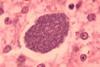

A new generation of malaria drugs failed clinical trials, in part because they were hard to swallow. Chemists have remodeled their structures to make them more soluble, while maintaining their effectiveness against drug-resistant parasites.
Registered users, subscribers or members - SIGN IN
To continue reading this article
Membership
Included as a benefit
Members of Applied Microbiology International have unlimited access to The Microbiologist as a benefit of membership. Just sign in with your usual membership credentials.
Find out more about how to join.
Register
FREE
Want to read more before deciding on a subscription? It only takes a minute to sign up for a free account and you’ll get to enjoy more free content each month.
Subscribe
3.75 per month / £35 annually
Get unlimited access to The Microbiologist.