Chikungunya virus, a debilitating tropical disease caused by infected mosquito bites, poses a greater health threat in Europe than previously thought because it can be spread when air temperatures are as low as 13 degrees Celsius.

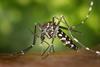
CDC-Gathany-Aedes-albopictus-1

Source: James Gathany, CDC

Asian tiger mosquito, Aedes albopictus, beginning its blood-meal

That is the finding of researchers at the UK Centre for Ecology & Hydrology who have investigated the ability of the Asian tiger mosquito to spread the virus, which is rarely fatal but can cause long-term chronic joint pain.

They have drawn up a map showing the extent of the risk of chikungunya for 10km square areas across Europe including the UK. The risk map shows the threat of virus transmission may last several months of the year in warmer parts of the continent where the tiger mosquito is already established.

There were record numbers of local outbreaks of chikungunya in France and Italy in 2025, and the tiger mosquito has also been responsible for increasing numbers of cases of dengue fever in these countries in recent years. This mosquito species is only occasionally detected in south-east England and is not yet established so the current risk of local transmission in the UK remains very low.

Longer period of risk

But the researchers warn that warming temperatures could result in the tiger mosquito (Aedes albopictus) becoming established in the UK in coming years, posing a disease risk, particularly in south-east England.

Their new study found that the virus can be spread in temperatures of just 13-14 degrees Celsius, while previous research indicated a minimum of 16-18 degrees Celsius. This means there is a risk of local outbreaks of chikungunya in more areas and for longer periods than previously thought.

Fab4cvNg

Sandeep Tegar, an epidemiological modeller at UK Centre for Ecology & Hydrology (UKCEH), led the study which has been published in the Journal of Royal Society Interface. He said: “Europe is warming rapidly, and the tiger mosquito is gradually expanding northwards through the continent. The lower temperature threshold that we have identified will therefore result in more areas – and more months of the year – becoming potentially suitable for transmission.

“Identifying specific locations and the months of possible transmission will enable local authorities to decide when and where to take action to reduce the risk, or scale, of outbreaks. Our research could also help predict how climate change could influence the future spread of the chikungunya virus.”

Climate change impacts

Global transport results in the increased spread of non-native species to new regions while warmer temperatures create more suitable conditions for populations to thrive in new areas. Warmer weather also increases the rate at which viruses replicate in an insect’s body, thereby increasing the risk of transmission.

Tiger mosquitoes that are resident in Europe have bitten returning travellers who have been infected by the virus while abroad and then transmitted it to other people in the area, starting a local outbreak.

The UKCEH risk map shows the possibility of transmission lasts two-three months in summer across much of the continent and four-six months in southern and eastern Spain and Portugal, with a high risk in Malta from March-November.

Long-term threat to UK

For the UK, the map shows that there is currently a low risk in East Anglia and the south-eastern corner of England during July and August, and for one of these months in pockets elsewhere in the south. There have not yet been any local transmissions of chikungunya in the UK but there were a record 73 travel-related cases – i.e. among people who contracted the virus abroad – between January and June 2025, compared to 27 cases in the same period in 2024.

READ MORE: Study identifies areas of Europe at risk from dengue fever

READ MORE: Invasive mosquito vector species detected in surveillance traps in UK

However, looking ahead, the study authors warn that rising temperatures will increase the odds of the tiger mosquito establishing in the UK, as has happened elsewhere in Europe. The risk of chikungunya could therefore increase beyond July and August, and to other areas of the country.

“Existing maps do not highlight these UK risk zones,” said study senior author Dr Steven White of UKCEH.

“It is important that there is continued action to try to prevent the tiger mosquito from establishing in this country because this highly invasive species is capable of transmitting several infections that can cause serious health conditions including chikungunya, dengue and Zika viruses.”

Continued vigilance

The UK Health Security Agency coordinates a national surveillance programme including the use of traps to detect any incursions of the tiger mosquito into the UK, focusing on airports, ferry terminals, distribution centres and service stations.

Measures to reduce the risk of outbreaks and cases where virus-carrying mosquitoes are present in an area include:

  • Carrying out surveillance of potential mosquito breeding areas, such as stagnant water, or removing these possible habitats.
  • Fumigation of these areas as well as open spaces and the homes of infected people.
  • Targeting health resources to high-risk areas such as issuing vaccines.
  • Issuing advice to the public on preventing being bitten.

UKCEH also recently produced a Europe-wide risk map for dengue fever, predicting hotspots, and is planning similar exercises for Zika and West Nile viruses.