
Microbiology researchers from the University of Tennessee, Knoxville, have discovered why patients with the autoimmune disease lupus are susceptible to serious bacterial infections.

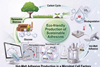
A new study published in Cell Press Blue shows that lupus-associated inflammatory signals can reprogram white blood cells, rendering them less effective against a Staphylococcus aureus infection. Instead of producing the most protective antibacterial response, these neutrophils shift toward a less effective form of neutrophil extracellular trap (NET).
MICROBIOLOGY NEWS: Register with The Microbiologist for more free articles
“The immune system remains highly active, but part of the response is misdirected in a way that may weaken bacterial defense,” Assistant Professor Andrew Monteith explained.
The disease lowers the ability to sense lactate from bacteria and, therefore, results in triggering vital NET release instead of a more effective form of NETosis.
Lupus care
Working with clinicians and researchers at the University of Tennessee Medical Center, Monteith’s lab compared its results with therapies already used in lupus care.
When patients received hydroxychloroquine or the antibody anifrolumab, the neutrophils’ NET response to better kill bacteria was restored. “We did not directly test whether patients on these therapies have better or worse outcomes during Staphylococcus aureus infection,” Monteith noted. “Instead, we tested whether these therapies correct the neutrophil defects that our studies suggest contribute to impaired antibacterial defense.”
MICROBIOLOGY ON TAP: Get full access to all The Microbiologist articles from just £2.17 a month
The researchers’ next step is to understand whether this same type of immune misdirection occurs in other infections, and whether there are ways to restore the most protective neutrophil function without worsening autoimmune inflammation.
Eden TenBarge, a research technician in the Monteith Lab, led the project and is the study’s first author. Graduate students Morgan Hetzel and Bailey Holder contributed to the work, and six undergraduates also were involved.




No comments yet