
The Chinese goral (Naemorhedus griseus) has been identified as a vulnerable species on the Red List of China’s Biodiversity and listed as a national second-class key protected wild animal in China. Despite its widespread distribution in China, there has been scant research into the pathogens harbored by this species, and our understanding of the virus diversity remains limited.
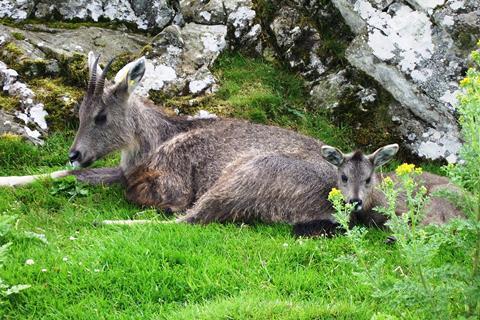
In the present study, scientists performed the whole virome profiling of a rescue-failed Naemorhedus griseus, which identified a diverse viral community across multiple organ tissues of the animal.
Specifically, they found abundant bacteriophages, several plant-derived viruses, and multiple mammalian viruses, i.e., two distinct parvoviruses, novel picobirnaviruses, and a novel phenuivirus. Additionally, virus–carrier determination analysis found that Naemorhedus griseus-borne viruses are related to plants, mammals, and arthropods.
MICROBIOLOGY NEWS: Register with The Microbiologist for more free articles
These data provide the first insight into the genetic diversity of Naemorhedus griseus-borne viruses, and their transmission dynamics across humans, domestic animals, arthropods, and wildlife.
This study not only expands the existing repertoire of viral genomic information and delineates the host range of these pathogens but also underscores the imperative of implementing a One Health strategy for the surveillance and control of wildlife-borne viral pathogens.







No comments yet