
Gut bacteria changes at the earliest stages of inflammatory bowel disease
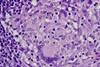

People newly diagnosed with the most common IBD subtypes, Crohn’s disease and ulcerative colitis, lose beneficial anaerobic bacteria that help with digestion of complex carbohydrates. Patients instead experience a rise in oxygen-tolerant bacteria from the mouth that travel in the gut.
Registered users, subscribers or members - SIGN IN
To continue reading this article
Membership
Included as a benefit
Members of Applied Microbiology International have unlimited access to The Microbiologist as a benefit of membership. Just sign in with your usual membership credentials.
Find out more about how to join.
Register
FREE
Want to read more before deciding on a subscription? It only takes a minute to sign up for a free account and you’ll get to enjoy more free content each month.
Subscribe
3.75 per month / £35 annually
Get unlimited access to The Microbiologist.