
Heart rhythm disorder traced to bacterium lurking in our gums
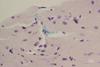
A new study finds that a gum disease bacterium can slip into the bloodstream and infiltrate the heart. There, it drives scar tissue buildup—known as fibrosis—distorting the heart’s architecture, interfering with electrical signals, and raising the risk of atrial fibrillation (AFib).
Registered users, subscribers or members - SIGN IN
To continue reading this article
Membership
Included as a benefit
Members of Applied Microbiology International have unlimited access to The Microbiologist as a benefit of membership. Just sign in with your usual membership credentials.
Find out more about how to join.
Register
FREE
Want to read more before deciding on a subscription? It only takes a minute to sign up for a free account and you’ll get to enjoy more free content each month.
Subscribe
3.75 per month / £35 annually
Get unlimited access to The Microbiologist.