
A growing body of evidence is reshaping how cancer is understood, placing the spotlight on intra-tumoral microbiota as powerful yet previously overlooked players within the tumor microenvironment. Far from being sterile, tumors host complex communities of bacteria, fungi, and viruses that actively influence disease progression, immune responses, and treatment outcomes.
This comprehensive review highlights how these microbial populations function as key regulators of tumor immunity, acting through intricate biological interactions. Within tumors, microbes can either promote cancer growth or enhance the body’s ability to fight it, underscoring their dual role in oncology. Certain microbial species contribute to inflammation, immune suppression, and metastasis, while others stimulate protective immune activity and improve responsiveness to therapies.
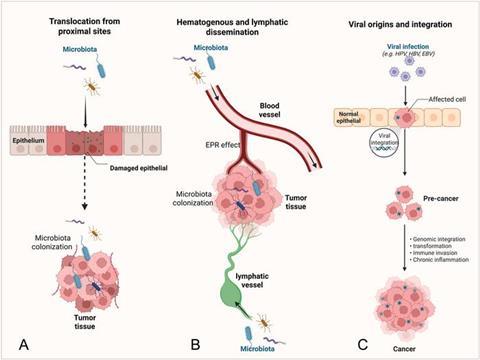
The diversity and heterogeneity of these microbial communities vary widely across cancer types and even within individual tumors. This variability is shaped by factors such as tissue environment, immune conditions, and microbial origin. Microorganisms may enter tumors through nearby tissues, the bloodstream, or through viral integration into host cells, creating a dynamic and adaptive ecosystem that evolves alongside the tumor.
Immune systems
Crucially, intra-tumoral microbiota directly interact with both innate and adaptive immune systems. They influence immune signaling pathways, modulate immune cell behavior, and produce metabolites that can either suppress or activate anti-tumor responses. These interactions ultimately shape the tumor microenvironment, affecting how cancers grow and how effectively treatments work.
The therapeutic implications are significant. Emerging strategies aim to harness these microbial communities through engineered bacteria, targeted antibiotics, bacteriophages, and oncolytic viruses. These approaches seek to remodel the tumor environment, enhance immune activity, and overcome resistance to conventional therapies. While promising, challenges remain, including ensuring safety, targeting precision, and managing the complexity of microbial ecosystems.
MICROBIOLOGY NEWS: Register with The Microbiologist for more free articles
This evolving perspective positions intra-tumoral microbiota as a cornerstone of precision oncology, offering new opportunities for personalized diagnosis and treatment. By integrating microbial insights with advances in technology and immunotherapy, researchers are opening a new frontier in cancer care—one where microscopic inhabitants inside tumors become powerful allies in the fight against disease.


No comments yet