
High uric acid levels - and harmful gut bacteria - linked to deadly outcomes in children with severe malaria
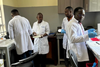
Researchers have uncovered a significant connection between elevated uric acid levels and life-threatening outcomes in children with severe malaria. The study identified hyperuricemia as a potential contributor to increased mortality and long-term neurodevelopmental challenges in children with severe malaria.
Registered users, subscribers or members - SIGN IN
To continue reading this article
Membership
Included as a benefit
Members of Applied Microbiology International have unlimited access to The Microbiologist as a benefit of membership. Just sign in with your usual membership credentials.
Find out more about how to join.
Register
FREE
Want to read more before deciding on a subscription? It only takes a minute to sign up for a free account and you’ll get to enjoy more free content each month.
Subscribe
3.75 per month / £35 annually
Get unlimited access to The Microbiologist.