
Researchers at Cleveland Clinic Children’s have developed a new screening program for congenital cytomegalovirus, the most common infection passed from mothers to babies during pregnancy. While many babies with congenital cytomegalovirus have no obvious symptoms, some can develop hearing loss, developmental delays or other medical complications as they grow.
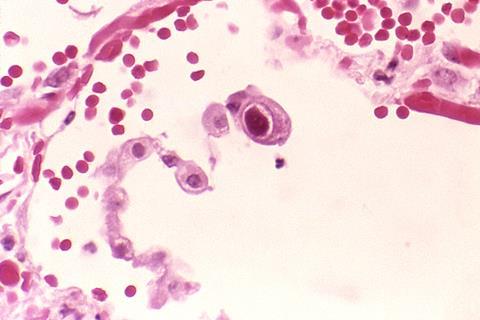
Results published in Pediatrics revealed the screening program identified 34 babies with congenital cytomegalovirus, increasing detection rates by approximately 2.5 times.
Despite expanding screening requirements across the United States, there is no consensus guidance on screening approach, resulting in wide variations in implementation. Cleveland Clinic Children’s added the new screening program –consisting first of a swab, then, if needed, a urine sample– across Cleveland Clinic locations in Ohio between 2022 and 2025. During that time, more than 50,000 babies were born at Cleveland Clinic locations, and nearly 7,500 were screened while in the nursery or neonatal intensive care units, increasing annual testing from about 150 babies per year to more than 2,000.
“Our findings show that this screening is practical and effective,” said Frank Esper, M.D., senior author and pediatric infectious diseases specialist at Cleveland Clinic Children’s. “Identifying affected babies earlier allows for monitoring and ultimately treatment, helping to improve long-term outcomes.”
In the United States, congenital cytomegalovirus testing is not routinely performed on every newborn. Standard practice is that screening takes place after a failed hearing test, if the baby is symptomatic, or if there are maternal complications. However, according to the National Institutes of Health, more than 40% of children with congenital cytomegalovirus-related hearing loss pass their initial newborn hearing screen, which advocates argue makes the case for universal testing of all babies regardless of hearing status.



No comments yet