
How deep-sea clams and bacteria survive shifting energy supplies
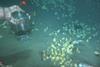
Deep-sea clams living at cold seeps survive in an environment where their main energy source can rise and fall dramatically. New research shows that the clams and their bacterial partners respond together, switching metabolic pathways, adjusting symbiont populations and reallocating resources to remain stable under changing conditions.
Registered users, subscribers or members - SIGN IN
To continue reading this article
Membership
Included as a benefit
Members of Applied Microbiology International have unlimited access to The Microbiologist as a benefit of membership. Just sign in with your usual membership credentials.
Find out more about how to join.
Register
FREE
Want to read more before deciding on a subscription? It only takes a minute to sign up for a free account and you’ll get to enjoy more free content each month.
Subscribe
3.75 per month / £35 annually
Get unlimited access to The Microbiologist.