
Following the confirmation by Kenyan authorities of the country’s first imported case of Bundibugyo virus disease (BVD), the World Health Organization (WHO) is working closely with the Government of Kenya to intensify key control measures to prevent further spread of the virus.
The government is strengthening its response coordination and case investigation, while monitoring and listing contacts for enhanced disease surveillance. At the core of the response efforts are screening at high-risk points of entry, and clear risk communication, while engaging communities to help prevent infection. These measures are rapidly being deployed to ensure the identification of cases and help contain further transmission.
The patient, a Kenyan citizen, fell ill in the Democratic Republic of the Congo, where they had been living, and was treated at several health facilities there. The patient then travelled by road to Kampala, Uganda through Beni on 2 October 2026, and flew to Nairobi, arriving on 3 October 2026. On arrival, the patient was transported to a hospital in Nairobi and was quickly isolated.
Samples tested positive for Bundibugyo virus at both the National Virology Reference Laboratory and the Kenya Medical Research Institute. Despite supportive care, the patient died on the night of 5 October 2026 and was buried on 6 October 2026 in line with the country’s Ebola safe and dignified burial protocol.
International impact
The Government of Kenya notified WHO of the case in line with the International Health Regulations (2005) on 6 October 2026. Kenya is the fourth country to confirm BVD. The Democratic Republic of the Congo is responding to an ongoing BVD outbreak, while Uganda, where the Bundibugyo virus species was first detected in 2007, ended the latest outbreak in August 2026. Most cases in Uganda were imported from the Democratic Republic of the Congo and the remaining few were locally acquired among contacts and health workers linked to imported cases. France reported a travel-related case of BVD in June 2026.
Health authorities in Kenya have so far listed 28 contacts, including family members and health workers who cared for the patient. They are also tracing 23 passengers and four crew members from the same flight, with arrangements for appropriate follow-up and quarantine of people assessed to at risk underway.
“Health emergency preparedness gives us a head start. Kenya has put important outbreak control measures in place. The priority now is to move swiftly to detect any further cases before the virus has an opportunity to spread. We’re supporting the ongoing efforts to strengthen the response, and with rapid and coordinated action, we can prevent the virus from gaining a foothold and stop a potential larger outbreak,” said Dr Mohamed Janabi, WHO Regional Director for Africa.
High alert
Kenya has been on high alert since May 2026, when outbreaks were declared in the Democratic Republic of the Congo and Uganda. As of 6 October 2026, Kenya has screened over 652 000 travellers entering the country, tested 267 suspected samples and trained around 5000 health workers on Ebola prevention and management.
WHO and partners have supported Kenya’s Ministry of Health and National Public Health Institute in these efforts. This includes Ebola simulation exercises and training a national pool of rapid response trainers, among them responders who served during the 2014–2016 West Africa outbreak. Isolation units across 27 high-risk counties in Kenya have been identified and assessed, case managers trained, and Ebola surveillance tools have been updated so that suspected cases can be quickly identified, reported and investigated. Risk communication and community engagement activities have also been strengthened through public messaging, media and community engagement, call centre support, and monitoring and responding to rumours and misinformation.
WHO has also delivered about 1000 Ebola tests and 1000 personal protective equipment kits to high-risk counties in Kenya.
Preparedness score
Kenya’s Ebola preparedness score, which tracks progress on key readiness measures such as surveillance, laboratory testing, isolation and treatment facilities and trained response teams, rose from 66% in May to 82% in July 2026.
WHO advises against any restriction of travel to, or trade with, the Democratic Republic of the Congo, Uganda or Kenya based on the currently available information. WHO continues to closely monitor and, where necessary, verify travel and trade measures in relation to this event.
MICROBIOLOGY NEWS: Register with The Microbiologist for more free articles
WHO and Africa CDC call for continued support to the response in affected countries. Global solidarity, along with government-led responses with engaged communities, are the best route to ending the outbreak.
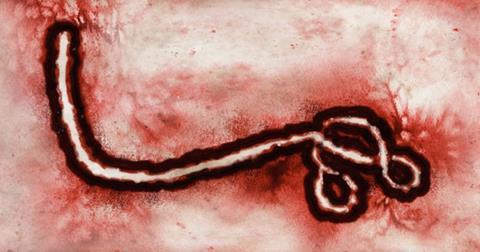
Bundibugyo virus disease is a severe, often fatal illness. It spreads through direct contact with the blood or body fluids of an infected person, or with contaminated materials. There are currently no approved vaccines or specific treatments for Bundibugyo virus disease, but candidate products are being evaluated in clinical trials.


No comments yet