
Global health risks continue to emerge where people, animals and the environment meet. A new review in Microbiome and One Health highlights that managing these threats requires more than reacting to individual outbreaks: health systems need to monitor the biological, ecological and institutional conditions that allow risks to build.
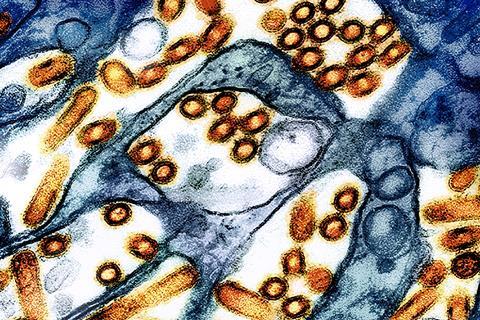
The review traces the development of One Health from historical lessons in plague and rabies to present-day challenges including SARS COVID-19, mosquito-borne diseases, H5N1 avian influenza, antimicrobial resistance, food- and pet-associated zoonoses, and disruption of microbial communities.
Further, the review examines practical experience in China, including integrated disease management, antimicrobial resistance control, sustainable vector control, food-safety governance and ecological management.
MICROBIOLOGY NEWS: Register with The Microbiologist for more free articles
The authors proposed an ‘interface-resilience’ model that brings three dimensions together: spillover pressure, such as land-use change, wildlife and livestock contact, climate-driven vector expansion, trade and travel; microbial community stability across humans, animals, plants, soil and water; and governance connectivity, meaning the ability of sectors to share data, coordinate surveillance and act together. Notably, risk is expected to be greatest when spillover pressure is high, microbial resilience is low and governance systems are poorly connected.






No comments yet