
Researchers at Baylor College of Medicine and Texas Department of State Health Services have reported a likely case of soft tick-borne relapsing fever (STRF) in an Austin-area resident. Now, they highlight the growing risk of exposure to infected ticks in urban and residential settings. The study appeared in Open Forum Infectious Diseases.

The investigation began when the Austin resident discovered an engorged tick attached to their ankle while sitting in their apartment. The resident sent the live tick to the Texas Department of State Health Services Zoonosis Control Branch (ZCB), and follow-up testing was performed. The ZCB informed the resident of the potential infection with bacteria that cause STRF. The ZCB sent the tick to Dr. Job Lopez’s lab at Baylor College of Medicine, where it was examined, identified and tested to determine if it was infected.
Soft tick-borne relapsing fever
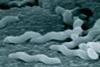
Researchers identified the tick as Ornithodoros turicata and confirmed that it carried Borrelia turicatae, a bacterium that causes STRF. Laboratory testing showed the tick could transmit the bacteria, and genetic analysis verified the pathogen’s identity.

Several weeks before finding the tick, the patient had experienced recurring high fevers, chills, fatigue, headaches, nausea, rash and later facial paralysis that led to multiple emergency room admissions and eventually hospitalization. Doctors tested for numerous infectious diseases, including Lyme disease, but did not make a clear diagnosis.
Register with The Microbiologist for more free articles
The findings show that infected soft ticks may be present not only in rural environments but also in city parks, neighborhoods and homes. The study emphasizes the need for greater awareness among healthcare providers, improved diagnostic testing and increased surveillance of tick populations in urban areas of Texas. Early recognition of this disease could help prevent missed diagnoses and improve patient outcomes.






.jpg)
No comments yet