
Rising rates of infectious eye diseases are putting more people at risk of preventable vision loss, prompting researchers to call for greater awareness of the warning signs and the importance of early treatment.
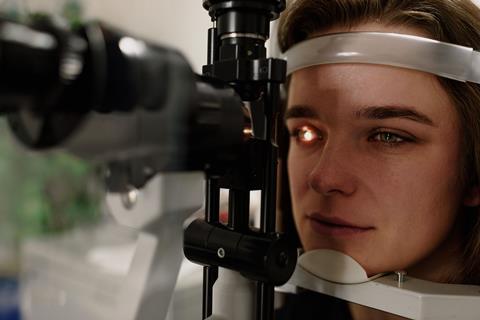
Challenges in diagnosing ocular syphilis and ocular toxoplasmosis
Two new reviews led by Flinders University examine ocular syphilis and ocular toxoplasmosis, conditions that can damage the retina and lead to permanent sight loss if they are not diagnosed and treated promptly.
Both diseases can mimic other eye conditions, creating diagnostic challenges that may delay treatment. Common symptoms include blurred vision, floaters, eye inflammation and sudden changes in eyesight.
Ocular syphilis is re-emerging
Syphilis is resurging globally, with cases increasing from around eight million in 1990 to 14 million in 2019. Alongside this rise, eye specialists are reporting more cases of ocular syphilis, a potentially blinding infection that occurs when the bacterium responsible for syphilis affects the eye.
Meanwhile, ocular toxoplasmosis remains the leading world-wide cause of infectious inflammation at the back of the eye. It is caused by the parasite Toxoplasma gondii, which infects up to 30 per cent of the global population. Although many people never develop symptoms, the parasite can remain dormant for years before reactivating and causing damage to vision.
Senior author and internationally recognised ophthalmologist Professor Justine Smith, from FHMRI Eye & Vision at Flinders University, says understanding how these infections affect the eye is critical to reduce preventable blindness.
“The encouraging message is that many people can retain good vision if these infections are recognised and treated early,” says Professor Smith.
Importance of an early diagnosis
The reviews highlight the consequences of delayed diagnosis. Research on ocular syphilis shows vision outcomes worsen when treatment is postponed, while more than half of reported cases of ocular toxoplasmosis in immunocompromised patients were initially misdiagnosed, increasing the risk of serious complications.
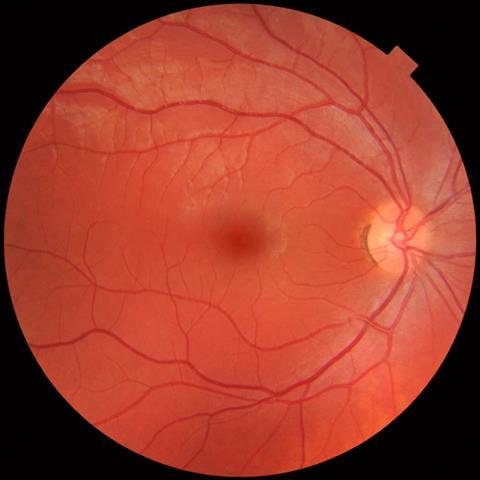
Raising public awareness may help avaoid sigth loss
Associate Professor João Furtado, from the University of São Paulo, says greater awareness among both the public and healthcare professionals can help prevent avoidable sight loss.
“People often assume blurred vision, floaters or other sudden visual changes will go away on their own, but these symptoms can sometimes signal a serious eye infection,” says Associate Professor Furtado.
“Prompt assessment is essential because delays can significantly increase the risk of permanent vision loss.”
MICROBIOLOGY NEWS: Register with The Microbiologist for more free articles
People with weakened immune systems, including those living with HIV, receiving cancer treatment, taking immune-suppressing medications or recovering from organ transplantation, should be particularly vigilant because some eye infections can progress more aggressively and cause greater damage.
Professor Smith says regular eye examinations and timely reporting of vision changes can play an important role in protecting sight.
“Don’t ignore a sudden change in your vision,” she says. “Although there can be many causes, infectious eye diseases are often treatable, and the best outcomes usually come when they are diagnosed early.”
Topics
- Asia & Oceania
- early diagnosis
- eye diseases
- eye infection
- Flinders University
- Infection Prevention & Control
- Infectious Disease
- Ocular syphilis
- ocular toxoplasmosis
- One Health
- People News
- Professor Justine Smith
- public awareness
- Research News
- retinal and eye research
- sight loss
- The Americas
- UK & Rest of Europe
- vision loss






No comments yet