
Scientists link a phytoplankton bloom to starving dolphins in Florida
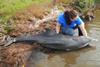
In 2013, 8% of the bottlenose dolphins living in Florida’s Indian River Lagoon died. Investigations have now revealed that the dolphins may have starved because key habitats for nutritious prey were destroyed by a phytoplankton bloom driven by the accumulation of fertilizer, effluent from septic tanks, and other by-products of human activity.
Registered users, subscribers or members - SIGN IN
To continue reading this article
Membership
Included as a benefit
Members of Applied Microbiology International have unlimited access to The Microbiologist as a benefit of membership. Just sign in with your usual membership credentials.
Find out more about how to join.
Register
FREE
Want to read more before deciding on a subscription? It only takes a minute to sign up for a free account and you’ll get to enjoy more free content each month.
Subscribe
3.75 per month / £35 annually
Get unlimited access to The Microbiologist.