
Study reveals how a common hospital pathogen senses iron—opening a new avenue for fighting antibiotic resistance
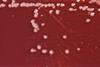

Pseudomonas aeruginosa is a common culprit in hospital-acquired bacterial infections and is growing more resistant to antibiotics. New findings show how a two-protein system inside the bacterium operates like a sensitive switch: the pair detects iron both outside and inside the cell and then rewrites large parts of the microbe’s metabolism in response.
Registered users, subscribers or members - SIGN IN
To continue reading this article
Membership
Included as a benefit
Members of Applied Microbiology International have unlimited access to The Microbiologist as a benefit of membership. Just sign in with your usual membership credentials.
Find out more about how to join.
Register
FREE
Want to read more before deciding on a subscription? It only takes a minute to sign up for a free account and you’ll get to enjoy more free content each month.
Subscribe
3.75 per month / £35 annually
Get unlimited access to The Microbiologist.