
Sugar-mimicking molecule central to virulence of a common crop disease, study finds
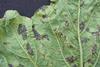
A strain of Pseudomonas syringae manipulates plants by producing a substance called glycosyrin to suppress the immune response. New research shows that glycosyrin does this by mimicking galactose, acting like a wolf in sheep’s clothing.
Registered users, subscribers or members - SIGN IN
To continue reading this article
Membership
Included as a benefit
Members of Applied Microbiology International have unlimited access to The Microbiologist as a benefit of membership. Just sign in with your usual membership credentials.
Find out more about how to join.
Register
FREE
Want to read more before deciding on a subscription? It only takes a minute to sign up for a free account and you’ll get to enjoy more free content each month.
Subscribe
3.75 per month / £35 annually
Get unlimited access to The Microbiologist.