
All placenta articles
-
 News
NewsAlbumin is prevented from crossing the placenta – opening opportunities for design of long-acting biologic medicines
Researchers have uncovered that the placenta distinguishes between antibodies and albumin, a finding that may reshape the future design of biologic medicines with reduced fetal exposure.
-
 News
NewsResearch study investigates how maternal viral infections shape lifelong immune health in offspring
A $2.4 million grant will support research that aims to uncover how viral infections during pregnancy reprogram the developing immune system of the fetus, influencing susceptibility to infectious diseases throughout life.
-
 News
NewsSARS-CoV-2 does not persist in the placenta after maternal recovery from COVID-19
A new study finds that the virus that causes COVID-19 does not linger in placental tissue weeks to months after a pregnant woman recovers from infection - offering important reassurance for clinicians and patients alike.
-
 News
NewsResearchers probe how malaria harms unborn babies
UK-based Wellcome has awarded over €2 million to an international research effort to uncover how malaria can injure developing babies.
-
 News
News‘Good’ gut bacteria boost placenta for healthier pregnancy
Research has found the first clear evidence that the ‘good’ gut bacteria Bifidobacterium breve in pregnant mothers regulates the placenta’s production of hormones critical for a healthy pregnancy. Pregnant mice without Bifidobacterium breve in their gut had a higher rate of complications, and increased fetal loss.
-
 News
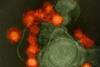
NewsStealth virus: Zika virus builds tunnels to covertly infect cells of the placenta
Researchers have discovered that Zika virus in the placenta builds underground tunnels, a series of tiny tubes called tunneling nanotubes, that facilitate the transfer of viral particles to neighboring uninfected cells.
-
 News
NewsCOVID study reveals virus-induced inflammation during pregnancy, redefines vertical transmission
A protein made by SARS-CoV-2 can pass through the placenta and cause serious inflammatory immune responses in the fetus for 66% of pregnancies.
-
 News
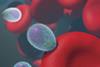
NewsLow birth weight linked to placental malaria in first-time mothers
A new study aimed to determine the prevalence of placental malaria infection, risk factors, types of Plasmodium causing malaria during pregnancy, and its relationship with neonatal birth weight among primigravidae.
-
 News
NewsSource of pregnancy complications from infections revealed by placenta map
The first panoramic view of infection pathways in the human placenta has been created, which could highlight potential drug targets to develop pregnancy-safe therapies for malaria, toxoplasmosis and listeria.
-
 News
NewsResearchers to probe how Zika virus replicates and transmits from mother to fetus
Nearly $6 million in new NIH grants will enable researchers to investigate how Zika virus replicates and crosses the placenta to infect unborn children.
-
 News
NewsA mother mouse needs a diverse gut microbiome to form a healthy placenta
Pregnant mice with no gut microbiome or diminished microbiomes aren’t able to form the healthy placentas necessary for proper fetal development, but supplementing these mice with short-chain fatty acids promotes healthy placental development.
-
 News
NewsResearchers combat Zika-associated foetal abnormalities using microRNA
Researchers have studied how the Zika virus persists in the placenta for long periods of time and how to mitigate it.
-
 News
NewsHigh-res map of the human placenta reveals COVID virus hideouts
Researchers have developed a high-resolution map of the human placenta visualizing an array of different immune microenvironments in healthy placentas from uninfected pregnancies, and those from pregnancies affected by COVID infections.
-
 News
NewsObese pregnant women infected by zika virus have impaired immune response
Researchers have shown for the first time that gestational obesity associated with infection by zika virus influences the placenta’s antiviral response, weakening the organ’s capacity to attack the pathogen and protect the foetus.
-
 News
NewsExperts refute theory that humans are colonised by bacteria before birth
Scientific claims that babies harbour live bacteria while still in the womb are inaccurate, and may have impeded research progress, according to University College Cork (UCC) researchers at APC Microbiome Ireland, a world-leading Science Foundation Ireland (SFI) Research Centre.