
All Shinshu University articles
-
 News
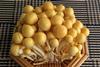
NewsNameko mucilage: An eco-friendly solution for microplastic pollution
Researchers use natural mucilage from nameko mushrooms for the removal of micro- and nano-plastics from water. The mucilage is rich in polysaccharides, particularly pectin—a naturally occurring plant-based compound—which is known for its particle-binding properties.
-
 News
NewsRibosomal engineering creates ‘super-probiotic’ bacteria
Using ribosome engineering (RE), researchers introduced mutations affecting the protein synthesis mechanism of probiotic Lacticaseibacillus rhamnosus GG (LGG). These mutant LGGs exhibit altered surface protein expression, including increased presentation of so-called “moonlighting proteins.”
-
 News
NewsCan certain bacteria regulate aging of the immune system and its related alterations?
Researchers have discovered a strain of Lentilactobacillus capable of preventing and even reversing aging-related immune alterations. Feeding aged mice with heat-inactivated YRC2606 resulted in lowered levels of inflammatory cytokines and signaling proteins.
-
 News
NewsProbiotics and prebiotics offer safer alternatives to antibiotics in animal agriculture
A new study shows how probiotics, prebiotics, and synbiotics can safely enhance growth and immunity in livestock, and balance the growth of intestinal microbes, offering practical alternatives to antibiotics.
-
 News
NewsCould cardamom seeds be a potential source of antiviral treatment?
Researchers have found that cardamom seed extract, as well as its main bioactive ingredient, 1,8-cineole, can have potent antiviral effects through its ability to enhance the production of antiviral molecules known as type I interferons via nucleic acid ‘sensors’ inside cells.
-
 News
NewsMicrobially synthesized bioplastic may solve marine plastic pollution problem
Researchers have demonstrated a new eco-friendly plastic that decomposes in deep ocean conditions. In a deep-sea experiment, the microbially synthesized poly(d-lactate-co-3-hydroxybutyrate) (LAHB) biodegraded, while conventional plastics persisted.
-
 News
NewsScientists synthesize a promising mushroom-derived compound
Researchers have successfully developed the first method to synthesize inaoside A, a compound derived from the edible mushroom Laetiporus cremeiporus.
-
 News
NewsScientist devises test feed for fungal ‘micro-machine’ that breaks down wood
Researchers investigating a molecular machine found in fungi that decomposes wood into its basic components have come up with a test feed that allows them to observe its close-to-natural action, opening the door to putting it to industrial application.