
All University Hospital Basel articles
-
 News
NewsNew study identifies key warning signs for infection after ankle fracture surgery in older patients
A new study of which patients are most at risk of a fracture-related infection post ankle surgery finds that low protein levels in the blood is the single strongest patient-related risk factor, making infection nearly 18 times more likely. Chronic alcohol abuse and failure to follow post-operative instructions each raise the risk more than fivefold.
-
 News
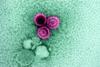
NewsWhen a virus releases the immune brake: New evidence on the onset of multiple sclerosis
A study investigating the links between Epstein-Barr virus and multiple sclerosis shows that EBV can interfere with the control of B cells. One viral protein mimics a crucial “approval” signal that B cells usually require from other immune cells. Self-reactive B cells can then survive even when they should be shut down.
-
 News
NewsNew test shows which antibiotics actually work
Drugs that act against bacteria are mainly assessed based on how well they inhibit bacterial growth under laboratory conditions. A critical factor is whether the active substances actually kill the pathogens in the body. Researchers have presented a new method for measuring how effectively antibiotics kill bacteria.
-
 News
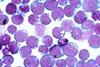
News'Failed drug' could offer new approach to Epstein-Barr virus and resulting diseases
Researchers have found that the Epstein-Barr virus triggers infected cells to ramp up the production of an enzyme known as IDO1, a discovery that offers a promising starting point for putting the brakes on EBV.
-
 News
NewsResistant bacteria can remain in the body for years
People with pre-existing conditions in particular can carry resistant germs and suffer from repeated infections for years, according to a new study.
-
 News
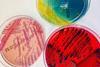
NewsMore than 30 new species of bacteria discovered in patient samples
A team that has been collecting and analyzing patient samples containing unknown germs since 2014 have discovered more than 30 new species of bacteria, some of which are associated with clinically relevant infections.