
All University of Amsterdam articles
-
 News
NewsHeatwaves inhibit antibiotic resistance in soils - but at a price
Heatwaves temporarily reduce the amount of resistance genes in the soil, but heat and droughts are also causing significant damage to soils and ecosystems. The temporary dip in resistance therefore does not mean that the health risks from antibiotic resistance disappear.
-
 News
NewsWith microbial help, sponges use photosynthesis, boosting productivity of tropical coral reefs
In marine environments, sponges tend to eat other organisms to get their nutrients. A new study demonstrates how sponges may also use photosynthesis, with the help of symbiotic microbes, and suggests sponge-rich ecosystems should be added to assessments of carbon sequestration.
-
 News
NewsWhen motion prevents order: scientists probe self-organising activity
Pack enough string-like objects together, and they will begin to align with one another. But replace the strings with worms or bacteria living in your gut, and this self-organisation becomes much more difficult. Researchers have demonstrated that activity can fundamentally alter one of the most important phase transitions in soft matter physics.
-
 News
NewsRethinking the gut microbiome: Health is not about staying the same
Despite decades of research into the gut microbiome, microbiome-based interventions such as probiotics or fecal transplants still produce inconsistent results. Scientists suggest part of the problem may lie not in the microbiome itself, but in how we define what it means to be ‘healthy’.
-
 News
NewsCorals in extreme coastal bays show greater resilience to climate stress
Corals living in coastal bays with strongly fluctuating temperatures and environmental conditions are better able to withstand heat and other stressors than their counterparts on more stable reefs.
-
 News
NewsClimate impacts on European soils predicted by scientists
New research has revealed how tiny soil microbes are impacted by extreme weather events, offering new insights into the risks posed by climate change.
-
 News
NewsIgnore antifungal resistance in fungal disease at your peril, warn top scientists
Without immediate action, humanity will potentially face further escalation in resistance to fungal disease, a renowned group of scientists from across the world has warned.
-
 News
NewsLongest known SARS-CoV-2 infection of 613 days led to unique highly mutated variant
New research to be presented at next week’s ESCMID Global Congress highlights the risk of new immune-evasive SARS-CoV-2 variants emerging in immunocompromised patients.
-
 News
NewsNew study shows link between make-up of microbiome and depression
Research by Amsterdam UMC, the University of Amsterdam and Erasmus MC has delivered the most extensive evidence to date of a relationship between the composition of the microbiome and instances of depression.
-
 News
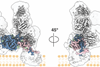
NewsScripps Research scientists map key protein structure of Hepatitis C virus
Scientists have mapped critical proteins that stud the surface of the Hepatitis C virus (HCV) and enable it to enter host cells.