
All University of California, Berkeley articles
-
 News
NewsMicroscope breakthrough will open unprecedented view into cells
In a landmark achievement in biological imaging, researchers have announced the successful demonstration of the laser phase plate, a novel device that dramatically improves the contrast of images produced by cryo-electron microscopes, opening up an entirely new view of human biology.
-
 News
NewsGlobal outbreaks may fuel violence against women — but most cases go unmeasured
Violence against women and girls may increase during infectious disease outbreaks — as economic strain, isolation and disrupted services reshape daily life — yet those impacts remain largely unmeasured, according to a new study.
-
 News
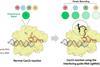
NewsStudy identifies multiple viruses and variants simultaneously by controlling the “speed” of CRISPR gene scissors
Scientists have developed a new diagnostic technology that simultaneously identifies various viruses and variants by controlling the “speed” of gene scissors.
-
 News
NewsAll life copies DNA unambiguously into proteins. Archaea may be the exception.
A study shows how a methane-producing member of the Archaea, interprets one three-letter sequence — normally a stop codon that signals the end of a protein — in two different ways, synthesizing two different proteins seemingly at random, though biased by conditions in the environment.
-
 News
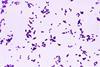
NewsMap of bacterial gene interactions reveals potential drug targets
Researchers have developed a new technique called Dual transposon sequencing (Dual Tn-seq), which allows for rapid identification of genetic interactions. It maps how bacterial genes work together, revealing vulnerabilities that could be targeted by future antibiotics.
-
 News
NewsMicrobial DNA sequencing reveals nutrient pollution and climate change reinforce lake eutrophication
A new study using DNA sequencing of lakebed microbes reveals that nutrient pollution from agricultural runoff and climate change amplify each other in ways that profoundly affect the health of lake ecosystems.
-
 News
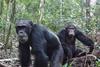
NewsIn the wild, chimpanzees likely ingest the equivalent of several alcoholic drinks every day
The first-ever measurements of the ethanol content of fruits available to chimpanzees in their native African habitat show that the animals could easily consume the equivalent of more than two standard alcoholic drinks each day.
-
 News
NewsAI-powered CRISPR could lead to faster gene therapies, study finds
A new AI tool can help scientists better plan gene-editing experiments. CRISPR-GPT acts as a gene-editing “copilot” supported by AI to help researchers — even those unfamiliar with gene editing — generate designs, analyze data and troubleshoot design flaws.
-
 News
NewsScientists hack microbes to identify environmental sources of methane
A new paper reveals how the activity of one of the main microbial enzymes involved in producing methane affects the isotope composition used as a fingerprint of various environmental sources.
-
 News
NewsFrom COVID to cancer, new at-home ‘coffee-ring’ test spots disease with startling accuracy
A new, low-cost biosensing technology could make rapid at-home tests up to 100 times more sensitive to viruses like COVID-19. The diagnostic could expand rapid screening to other life-threatening conditions like prostate cancer and sepsis as well.
-
 News
NewsWhat a century-old grapevine reveals about a disease that plagues wine country
Researchers used bacterial DNA from a 120-year-old herbarium specimen to reconstruct the history of Pierce’s disease in California.
-
 News
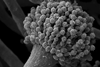
NewsFungus uses surface protein of its spores to weaken human immune system
An international research team discovered a special enzyme on the surface of the spores of Aspergillus fumigatus apparently suppresses the release of pro-inflammatory substances by immune cells, making it easier for the pathogen to spread in the tissue.
-
 News
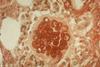
NewsDangerous airborne fungus boosted by California droughts
By analyzing data on reported cases of Valley fever in California, which have increased dramatically over the last two decades, researchers have identified seasonal patterns that could help TO prepare for future surges in Valley fever cases.
-
 News
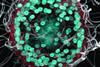
NewsCreature the size of a dust grain found hiding in California’s Mono Lake
Researchers have now found an unusual creature lurking in the shallows of Mono Lake — a choanoflagellate that could tell scientists about the origin of animals more than 650 million years ago.
-
 News
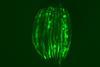
NewsDo smells prime our gut to fight off infection?
A recent study shows that the nematode C. elegans reacts to the odor of pathogenic bacteria by preparing its intestinal cells to withstand a potential onslaught.
-
 News
NewsAn adjuvant made in yeast could lower vaccine cost and boost availability
Scientists have wielded the power of synthetic biology to produce the active ingredient of soap bark, a molecule called QS-21, in yeast - a more environmentally friendly way to produce a key ingredient of vaccines.
-
 News
NewsMissing puzzle piece discovered that influences sensitivity of gut bacterium to antibiotics
Scientists identify the small RNA that influences the sensitivity of the intestinal pathogen Bacteroides thetaiotaomicron to certain antibiotics.