
All University of California, Riverside articles
-
 News
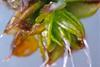
NewsScientists just found something weird inside moss - an unexpected fungal roommate
According to new research, mosses have also been hiding something. Researchers studying desert mosses have found evidence that these ancient plants may host fungi inside their tissues. This relationship has not previously been documented.
-
 News
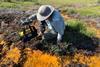
NewsNew study uncovers why the Arctic’s rivers are rusting
Scientists have identified the two biggest reasons that once-pristine rivers across the Arctic are growing cloudy with toxic orange iron particles that smother insects and suffocate fish. As the climate warms, a layer of Arctic soil that had been frozen for millennia has begun to thaw.
-
 News
NewsMeasles vaccine gaps persist among ER patients
A study has found critical gaps in knowledge, vaccination status, and acceptance of the measles, mumps, and rubella (MMR) vaccine among patients visiting emergency departments across the United States. It examines how misinformation and access barriers may contribute to declining vaccination rates.
-
 News
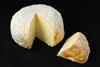
NewsA high-protein diet can defeat cholera infection
A new study has found that diets high in casein, the main protein in milk and cheese, as well as wheat gluten, could make a dramatic difference in the amount of cholera bacteria able to infect the gut.
-
 News
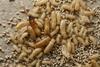
NewsFecal tests reveal active termite attacks
Termite pellets can linger long after the insects that dropped them have disappeared. By testing for microbes in the excrement, researchers can distinguish old droppings from fresh, and whether a colony is actively chewing its way through a home.
-
 News
NewsWastewater plants produce twice as much greenhouse gases as officially estimated
Wastewater plants emit about twice as much greenhouse gas as previously believed, according to a new study. Collectively sewer plants produced 1.9 times the nitrous oxide gas estimated by the Environmental Protection Agency and 2.4 times the methane.
-
 News
NewsTwo biological cleaners break down ‘forever chemicals’
Scientists have identified two species of bacteria found in soil that break down a class of stubborn ’forever chemicals’, giving hope for low-cost biological cleanup of industrial pollutants.