
All University of Liège articles
-
 News
Eels transmit a virus through biting: a discovery that changes our understanding of viral infections in fish
Contrary to what was previously believed, viruses infecting fish are not transmitted exclusively through water acting as an abiotic vector. A team of researchers has demonstrated that a virus affecting European eels can spread very efficiently through biting during aggressive interactions between individuals.
-
 News
Human papillomavirus: Can we finally predict which infections will progress to cancer?
Infection with human papillomavirus (HPV) is extremely common and, in the vast majority of cases, clears up on its own. However, in some people, it persists and can develop into precancerous lesions or even cancer. How can these high-risk situations be identified at an early stage?
-
 News
Researchers reveal snapshots of a key molecular machine in tropical parasites
A study reveals, with near-atomic precision, the three-dimensional structure and function of a gigantic molecular machine essential to the survival of trypanosomatid parasites, which cause serious diseases in humans, animals and plants.
-
 News
Methane-eating bacteria in rivers won’t save us from climate change
A comparative study in Belgium and Africa on the microbial oxidation of methane in rivers reveals that this biological filter, which is more active in African rivers, remains insufficient to offset the rise in methane emissions expected because of global warming and nitrate pollution.
-
 News
How soil bacteria help plants defend themselves against disease
A study reveals the mechanism by which surfactin, a molecule produced by beneficial soil bacteria, activates plants’ immune defences. This mechanism, distinct from the classical paradigm of immune recognition, relies on direct interaction with the plant cell membrane.
-
 News
The role of the microbiome in the successful transplantation of Posidonia oceanica seagrass meadows
A study of seagrass restoration shows that transplantation method directly influences the root microbiome, which is essential for the survival of the plants - paving the way for more effective and sustainable restoration techniques.
-
 News
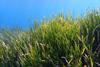
Organisms in Neptune grass compost release oxygen, unlike land compost
Researchers studying the fate of the material produced by Posidonia seagrass meadows showed that the dead leaves accumulate in shallow areas, where they break down like a compost, remineralising the organic matter.
-
 News
New progress in research into malignant catarrhal fever in cattle
A study into malignant catarrhal fever (MCF) sheds light on the mechanisms by which alcelaphine gammaherpesvirus 1, which is asymptomatic and latent in the wildebeest, causes an oligoclonal expansion of CD8+ T lymphocytes in cattle.
-
 News
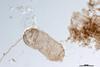
Oldest thylakoids in fossil cyanobacteria uncover evolution of photosynthesis
Researchers have identified microstructures in fossil cells that are 1.75 billion years old. These structures, called thylakoid membranes, are the oldest ever discovered.
-
 News
New antibiotic lunaemycin extracted from moonmilk deposits in caves
Scientists investigating moon milk - a mineral deposit found in caves and used for its curative properties - has led to the discovery of a cryptic compound active against bacteria that are multi-resistant to antibiotics.