
All Veterinary Medicine & Zoonoses articles – Page 27
-
 News
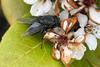
NewsTiny flyers with large impact: Blowflies carry bird flu virus
A new study from a wild bird colony in southern Japan reveals that blowflies are a potential means of bird flu transmission.
-
 News
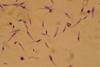
NewsResearchers make breakthrough in bid to develop vaccines and drugs for neglected tropical disease
Scientists have developed a new, safe and effective way to infect volunteers with the parasite that causes leishmaniasis and measure the body’s immune response, bringing a vaccine for the neglected tropical disease a step closer.
-
 News
NewsScientists solve mystery of bacterial scavenging machinery
Scientists investigated how the oleate shuttle from FakB2 to FakA kinase works in the Fak system, which is exploited by the zoonotic pathogen Streptococcus suis (S. suis) pathogen to scavenge exogenous fatty acid (eFA).
-
 News
NewsWhat shapes a virus’s pandemic potential? SARS-CoV-2 relatives yield clues
Two of the closest known relatives to SARS-CoV-2 — a pair of bat coronaviruses discovered by researchers in Laos — may transmit poorly in people despite being genetically similar to the COVID-19-causing virus, a new study reveals.
-
 News
NewsSaunas may be key to helping frogs survive deadly fungal infection
Sun-heated brick ‘saunas’ offer hope to endangered amphibians being wiped out by a fungal infection that has already rendered at least 90 species extinct.
-
 News
NewsNew progress in research into malignant catarrhal fever in cattle
A study into malignant catarrhal fever (MCF) sheds light on the mechanisms by which alcelaphine gammaherpesvirus 1, which is asymptomatic and latent in the wildebeest, causes an oligoclonal expansion of CD8+ T lymphocytes in cattle.
-
 News
NewsKissing and petting young camels found to be key transmitter of MERS virus
New research has found that young camels present a high risk for human exposure to the MERS-CoV virus, with kissing and petting young camels found to be an important route of viral transmission.
-
 News
NewsVirus that causes COVID-19 is widespread in wildlife
Six out of 23 common wildlife species showed signs of SARS-CoV-2 infections in an examination of animals in Virginia, as revealed by tracking the virus’s genetic code.
-
 News
NewsHow evolution tamed a deadly virus and why we should still worry
The story of the rise and fall of western equine encephalitis as a lethal disease offers essential lessons about how a pathogen can gain or lose its ability to jump from animals to humans.
-
 News
NewsNew research suggests few people get sick after bite from ticks infected with Powassan virus
Scientists have published new findings on Powassan virus, reporting that people bitten by black-legged (or deer) ticks that tested positive for the virus did not show signs or symptoms of disease.
-
 News
NewsNew agent effective against drug-resistant malaria parasites
Scientists have developed a promising new antimalarial agent, DIF-1(+3), which is a derivative of Dictyostelium differentiation-inducing factor-1 (DIF-1).
-
 News
NewsNew study confirms mammal-to-mammal avian flu spread
A new study provides evidence that a spillover of avian influenza from birds to dairy cattle across several U.S. states has now led to mammal-to-mammal transmission – between cows and from cows to cats and a raccoon.
-
 News
NewsScientists pinpoint how a red seaweed reduces methane emissions from cows
New research into the microbiome of cattle rumen has implications for addressing a leading contributor to climate warming.
-
 News
NewsFirst locally transmitted dengue cases reported in Iran
On June 14 the Ministry of Health and Medical Education (MoHME) of Iran reported the first two locally acquired cases of dengue recorded in the country. As of 17 July, the total number of locally acquired dengue cases in the country has risen to 12.
-
 News
NewsResearchers expose the rules behind dengue’s invasion strategies
Scientists uncover fundamental rules for how dengue virus infects its mosquito and human hosts, providing hope for identifying therapeutic approaches.
-
 News
NewsUrgent action needed to combat rising antimalarial resistance in Africa
Urgent action is needed to prevent a surge in malaria-related sickness and death in eastern Africa, scientists say.
-
 News
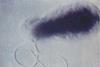
NewsBartonella and babesia co-infection detected in patients with chronic illness
A small pilot study has found evidence of human co-infections from Bartonella and Babesia odocoilei, a protozoal tick-borne infection primarily found in deer, moose and other cervids.
-
 News
NewsIntensive farming could raise risk of new pandemics
Intensive livestock farming could raise the risk of new pandemics, researchers have warned. A study examines the effect of social and economic factors – which are often overlooked in traditional assessments.
-
 News
NewsStudy unveils complexity of zoonotic transmission chains
Researchers have dissected the complex interactions involved in zoonoses, introducing the concept of a “zoonotic web,” a detailed network representation of the relationships between zoonotic agents, their hosts, vectors, food sources, and the environment.
-
 News
NewsReceptors make dairy cows a prime target for influenza
Researchers who examined mammary gland samples from two cows infected with highly pathogenic avian influenza found a rich supply of sialic acid, which could shed light on how the virus attaches to hosts and help develop measures to slow the spread.