
All Viruses articles – Page 25
-
 News
NewsPreviously unknown viruses discovered in groundwater
Researchers have created a comprehensive picture of viral diversity and function in a groundwater system. They identified over 257,000 viral operational taxonomic units, i.e. viruses at species level, 99 % of which were previously unknown.
-
 News
NewsScientists demonstrate first-ever single-shot HIV vaccine neutralization success
Scientists have developed an HIV vaccine candidate that achieves something never before observed in the field: inducing neutralizing antibodies against HIV after a single immunization in nonhuman primates.
-
 News
NewsWhy aren’t more older adults getting flu or COVID-19 shots?
This winter’s brutal flu season isn’t over, and COVID-19 cases have risen recently too. But a new poll taken in recent weeks shows that vaccination against both viruses lags among people 50 and over, and the US survey reveals key reasons why.
-
 News
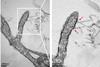
NewsHow bacteria learned to target numerous cell types, revealed
A new study shows how bacteria adapted a virus-derived injection system to recognize and attach to many different types of cells. By identifying thousands of rapidly evolving receptor-binding proteins, the researchers explain how these systems can be retargeted in nature by swapping the part that binds to cells.
-
 News
NewsLaunch of clinical trial of investigative nasal spray medicine to prevent illnesses from respiratory viruses
A new clinical trial will test a new experimental intranasal spray designed to boost immune defenses and reduce illness from respiratory viruses.
-
 News
NewsPediatric investigation study reports significant shifts in post-COVID respiratory infection trends in children
To explore how the pandemic changed respiratory infection trends in children, researchers examined data from 73,096 pediatric patients hospitalized with acute respiratory tract infections in two coastal cities in eastern China with similar climates.
-
 News
NewsSix years after COVID-19’s global alarm: Is the world better prepared for the next pandemic?
Six years ago, the Director-General of the World Health Organization sounded the highest global alarm available under international law at the time, declaring the outbreak of a new coronavirus disease. As we cross this six-year mark, WHO asks: Is the world better prepared for the next pandemic?
-
 News
NewsStudy suggests far fewer cervical cancer screenings are needed for HPV‑vaccinated women
In a modeling study of women vaccinated against human papillomavirus (HPV), researchers found that cervical cancer screening could be done far less often than current recommendations without compromising health benefits.
-
 News
NewsSepsis study IDs simple ways to save lives in Africa
Tuberculosis (TB) is a major unrecognized cause of deadly sepsis among people with HIV in Africa, a new study reveals. It found that more than half of the hundreds of patients enrolled in the study had TB and that immediate treatment increased their chances of survival significantly.
-
 News
NewsMetformin shown to prevent Long COVID across risk groups in multiple randomized trials
Multiple randomized clinical trials and electronic health record studies now show that metformin, a widely used and well-established medication, significantly reduces the risk of developing Long COVID when taken during or shortly after acute infection with SARS-CoV-2.
-
 News
NewsNipah virus outbreak: Risk of global threat is low, say experts
The Global Virus Network is monitoring reports of a Nipah virus outbreak in India and emphasizes that such cases, while very concerning and serious, are not unexpected or unprecedented.
-
 News
NewsFrom biocidal coatings to medicines: A nanocomposite sting for microorganisms
A surface capable of responding to chemical signals generated by microorganisms and automatically producing biocidal substances – a description of how the B-STING silica nanocomposite works. The new material acts as a nanofactory of reactive oxygen species, activating only when necessary.
-
 News
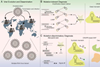
NewsAddressing rapid viral evolution: research team unveils emerging techniques for RNA viruses diagnostics
The rapid evolutionary dynamics of RNA viruses, driven by high mutation rates and the consequent formation of complex quasispecies populations, present a formidable obstacle to conventional molecular diagnostic approaches, warn researchers.
-
 News
NewsNasal vaccine combats bird flu infection in rodents
Researchers have developed an intranasal H5N1 vaccine that elicited strong immune responses when tested in hamsters and mice and prevented infections in exposed animals. The team also confirmed their vaccine remained effective regardless of prior flu exposure.
-
 News
NewsScientists say these two viruses may become the next public health threats
Two emerging pathogens with animal origins — influenza D virus and canine coronavirus — have so far been quietly flying under the radar, but researchers warn conditions are ripe for the viruses to spread more widely among humans.
-
 News
NewsIn rare cases, autoantibodies can cause severe reactions to a live-attenuated virus Chikungunya vaccine that has been discontinued in the U.S.
A new study shows that preexisting autoantibodies in a small subset of the population can allow weakened vaccine viruses to escape control, explaining some adverse events tied to one kind of Chikungunya vaccine, which is no longer available in the U.S.
-
 News
NewsResearchers demonstrate SARS-CoV-2 virus inactivation/destruction using focused sound waves
A team of researchers has successfully demonstrated the destruction of SARS-CoV-2 virus particles through exposure to high-frequency sound waves, marking a promising advance in non-pharmacological antiviral strategies.
-
 News
NewsCOVID-19 viral fragments shown to target and kill specific immune cells
New research shows that after the body’s defenses kill the virus behind COVID-19, leftover digested chunks of SARS-CoV-2 spike protein can target specific immune cells based on their shape. It could explain why certain populations of cells that detect and fight infection are depleted in patients with severe COVID-19.
-
 News
NewsAltered brain connection found in people with ME/CFS and Long COVID
People with Myalgic Encephalomyelitis/Chronic Fatigue Syndrome (ME/CFS) and Long COVID experience a disruption to their brain connectivity during a mentally demanding task. New research used ultra-high field MRI technology to investigate the significant reduction in brain connectivity in specific parts of the brain.
-
 News
News‘Nudging’ both patients and providers boosts flu vaccine numbers
Patients were 28 per cent more likely to get a flu shot when they got a text message reminder and their primary care provider already had an order for the shot waiting, new research showed.